Togariishi Museum of Jōmon Archaeology, Archaeological museum in Chino, Japan
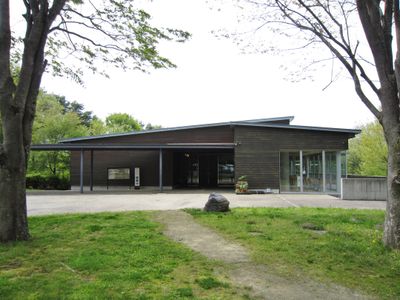
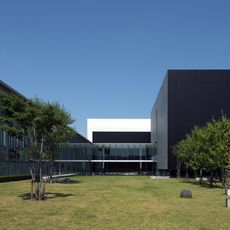
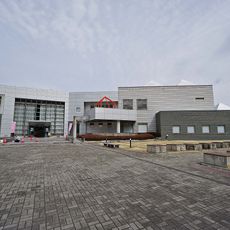
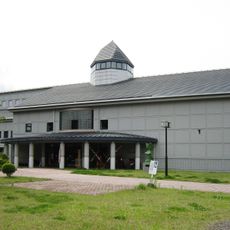
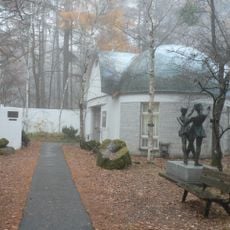
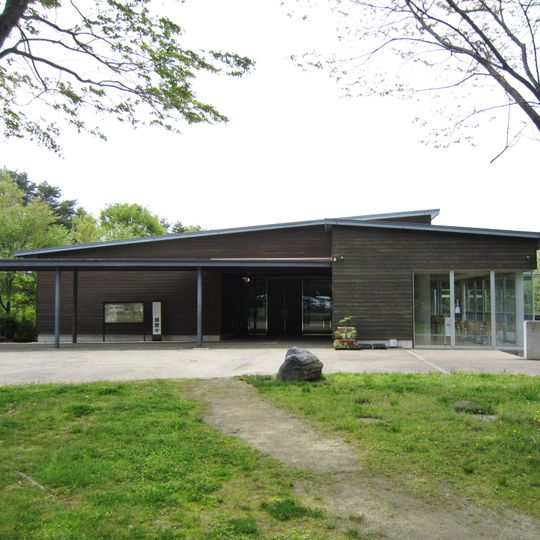
The Togariishi Museum of Jōmon Archaeology in Chino is a research facility dedicated to archaeological discoveries from the Jōmon period and situated on a significant historical site. The collection holds more than 2,000 objects recovered from excavation sites near the Yatsugatake Mountain range in Nagano Prefecture, offering extensive insights into the lives of these early inhabitants.
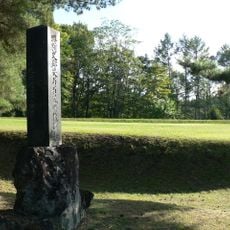
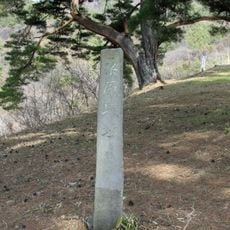
The museum was established in 1955 following significant excavations conducted by archaeologist Fusakazu Miyasaka at the Togariishi site, which had been designated a National Special Historic Site in 1942. This recognition demonstrates the location's importance for understanding early Japanese history and how research efforts led to the creation of this scientific institution.
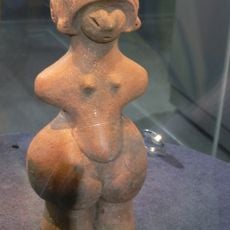
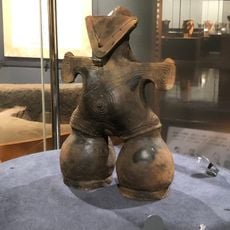
The two clay figurines in the collection represent some of the finest artistic expressions from that era, each showing distinct facial features that likely held ritual significance. Visitors can observe how people engage with these ancient works to understand the creative abilities of those who once inhabited this mountain region.
The museum is easily accessible by car, located approximately 20 minutes from the Suwa interchange, with parking available on site. Opening hours extend from morning through early afternoon, allowing visitors sufficient time to explore the exhibits and visit the reconstructed dwellings adjacent to the building.
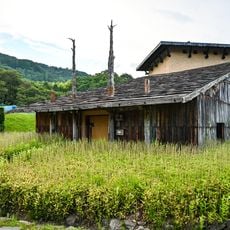
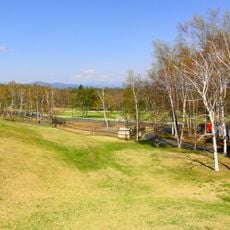
The grounds adjacent to the museum building feature six reconstructed pit dwellings that demonstrate how people lived in this mountainous region more than 10,000 years ago. This practical display of early living methods allows visitors to picture what daily life looked like during this prehistoric era.
The community of curious travelers
AroundUs brings together thousands of curated places, local tips, and hidden gems, enriched daily by 91,371 contributors worldwide.