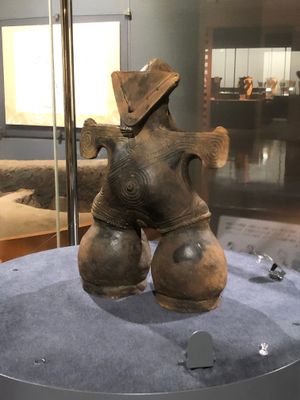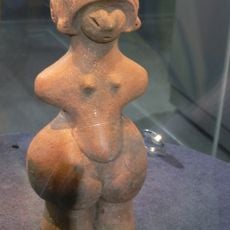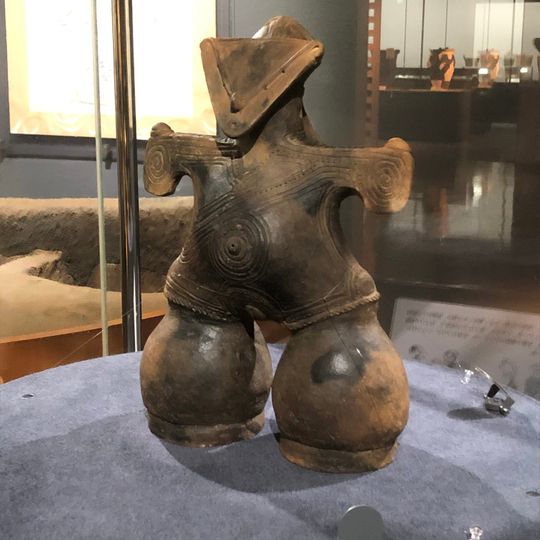
Masked Goddess, Clay figurine at Nakappara Archaeological Site, Japan
The Masked Goddess is a clay figurine from the Nakappara archaeological site in Japan, featuring an inverted triangular face with incised lines and patterns. The hollow structure and fine surface details suggest skilled craftsmanship applied to this ritual object.
The figurine was discovered during excavations at Nakappara in Nagano Prefecture and dates to the Late Jomon Period around 2500 to 1700 BC. This era was marked by early hunter-gatherer societies that developed sophisticated pottery techniques.
The figure displays female forms and spiritual practices from early Japanese societies through its carefully crafted ceremonial design. The elaborate details suggest such objects held meaning in rituals or beliefs of that time.
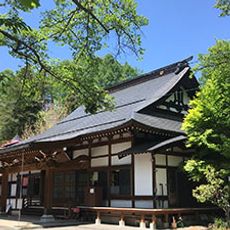
The artifact can be viewed at the Togariishi Museum of Jomon Archaeology in Chino City. Visitors should plan ahead since the museum may have specific opening hours and advance notice is sometimes helpful.
The mask is designed in a way that suggests it may have offered protection from harmful spirits or supernatural forces to the wearer. Researchers believe such objects were likely used in shamanic rituals or sacred ceremonies to bridge the worlds of the living and spirits.
The community of curious travelers
AroundUs brings together thousands of curated places, local tips, and hidden gems, enriched daily by 91,381 contributors worldwide.