Kiyosato Plateau, Mountain plateau in Hokuto, Japan
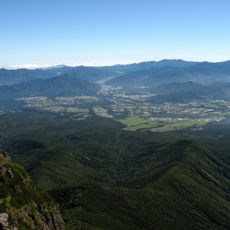
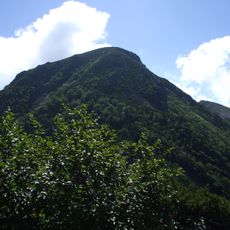
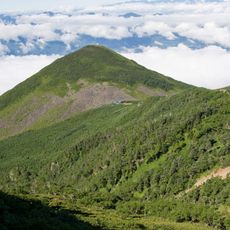
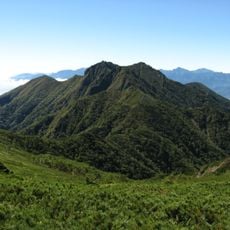
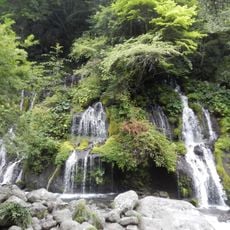
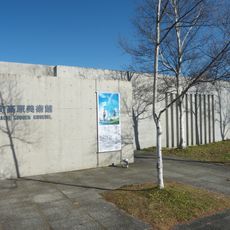
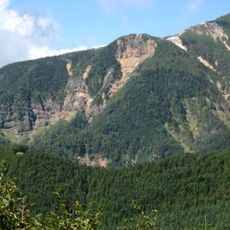
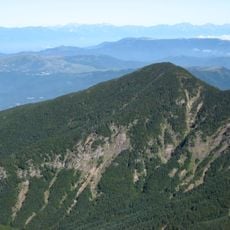
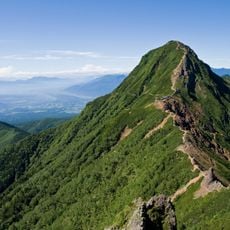
Kiyosato Plateau is a highland in Yamanashi at elevation with views of mountain ranges and natural landscapes visible throughout the year. The area features meadows, forests, and seasonal flowers that change the landscape through each season.
The area was opened up from 1935, when people displaced by the construction of the Ogouchi Dam in Okutama, Tokyo, and new settlers cleared land around what became Kiyosato Station. The name Kiyosato dates from the 1875 merger of Asakawa and Kashiyama villages; the local place name was Kashiyama until it was changed to Kiyosato in 1964.
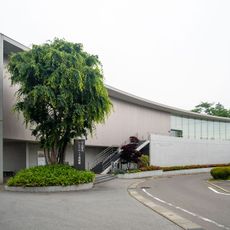
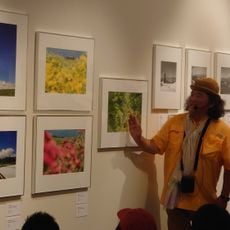
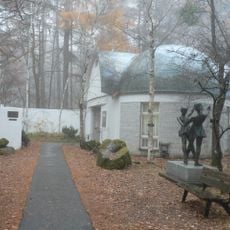
The name Kiyosato dates from 1875, when Asakawa and Kashiyama villages merged; the district was called Kashiyama until 1964, when it was renamed Kiyosato. The Christian missionary Paul Rush, called the father of Kiyosato's settlement, founded the Kiyosato Educational Experiment Project (KEEP), which runs Seisenryo and the KEEP Farm. Moe-no-Mura, a craft village with artisans' galleries, and Kiyosato Onsen are among the sights.
Kiyosato Station on the JR Koumi Line is the hub; reach the line by changing at Kobuchizawa on the Chuo Main Line or at Sakudaira on the Hokuriku Shinkansen, the latter taking longer. By road there are three approaches, each with its own interchange on the Chuo Expressway: National Route 141 from Sudama IC, the Kiyosato Kogen Ohashi route from Nagasaka IC, and the Yatsugatake crossing road from Kobuchizawa IC. Several loop bus routes serve the plateau and bicycles can be rented in several places; ordinary roads have many steep slopes and sharp curves.
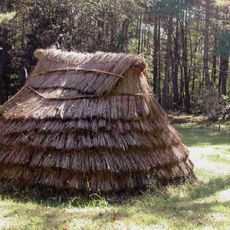
The plateau was opened up from 1935 by settlers displaced by the construction of the Ogouchi Dam in Okutama, western Tokyo, along with new arrivals. They settled around what became Kiyosato Station on the Koumi Line, and the area grew into a resort.
The community of curious travelers
AroundUs brings together thousands of curated places, local tips, and hidden gems, enriched daily by 93,357 contributors worldwide.