Kumano-Jinja, Shinto shrine in Japan
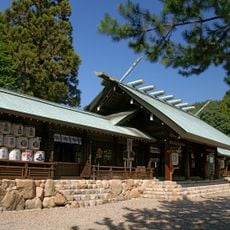
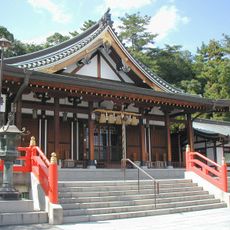
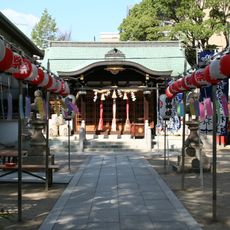
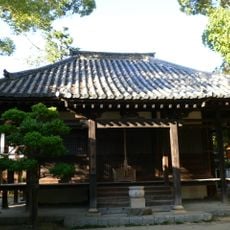
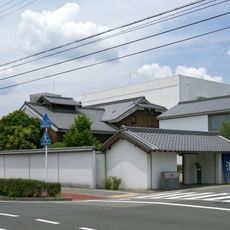
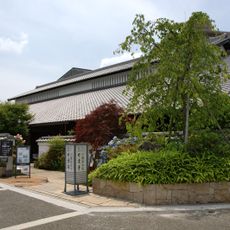
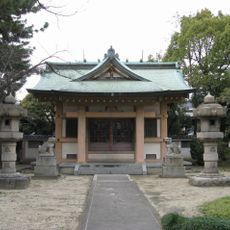
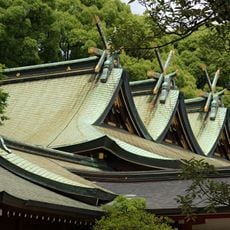
Kumano-Jinja is a Shinto shrine in Nishinomiya built with traditional wooden structures and well-kept grounds in a quiet setting. The complex features a main hall with curved roof lines and wooden beams, surrounded by tall trees and soft paths where visitors leave offerings and pray.
The shrine existed before the Ōnin War (1467–1477) and was originally called Wakōji Shrine. In August 1873, during the Meiji era, it was renamed Kumano Jinja and designated a village shrine (sonsha). A stone lantern in the grounds bears the date 1640 (Kanei 17) and is the oldest lantern in Nishinomiya.
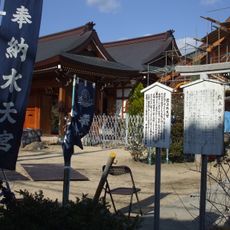
The shrine was called Wakaōji-jinja until the Meiji era, when it took the name Kumano. Within its grounds stands the Sankaku-jinja, the only shrine in Japan dedicated to mathematics, honouring Mori Shigeyoshi, regarded as the founder of Japanese wasan mathematics. On 8 August a soroban festival is held there.
The shrine is an eight-minute walk north from Koshien-guchi Station on the JR Kobe Line. Inside the grounds, look for the Shakuji stone lantern dated 1640, the oldest lantern in Nishinomiya, and the small Atago, Inari and Hakuryu shrines beside the main hall.
Within the grounds stands Sangaku Jinja, described as Japan's only shrine to mathematics, honouring Mori Shigeyoshi, credited as the founder of Japanese wasan mathematics. A soroban festival is held there on 8 August. Also in the precinct is a stone lantern dated to 1640, the oldest lantern in Nishinomiya.
The community of curious travelers
AroundUs brings together thousands of curated places, local tips, and hidden gems, enriched daily by 93,390 contributors worldwide.