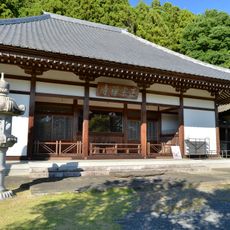
Izumi-jinja, Shinto shrine in Japan
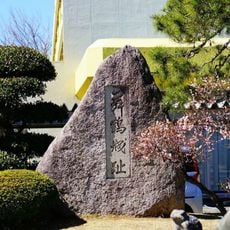
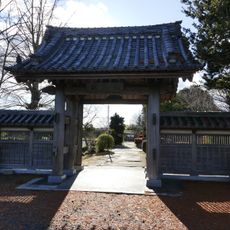
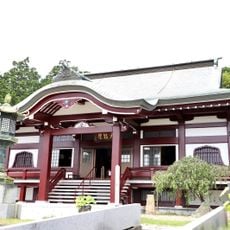
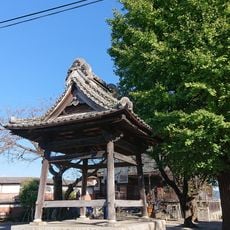
Izumi-jinja is a small Shinto shrine in Hitachi surrounded by tall trees and built with traditional wooden structures. The grounds feature a stone-paved path leading to the main hall, small lanterns placed along the walkway, and a simple altar area where visitors leave coins and make offerings.
The shrine is identified with the Engishiki-listed Amanohayatamahime Shrine, and its spring with the "Ohi of Mitsuki" in the Hitachi Fudoki. In 866 and 874 the deity was promoted in rank per the Nihon Sandai Jitsuroku. In 1530 Satake Yoshizumi repaired the hall and renamed it Izumi Daimyojin; the hall burned in the Enpo era and again in 1960, and the current concrete hall dates from 1961.
The name Izumi-jinja comes from the spring in the shrine grounds, identified with the "Ōi of Mitsuki village" recorded in the Hitachi-no-kuni Fudoki. The spring, about 40 metres around and up to 2 metres deep, has more than twenty spring holes and is worshipped as the body of the deity Amanohayatamahime. The shrine holds festivals on 1 January, 3 February, 11 February, 3 May and 23 November, and the Hitachi Sasara dance, a prefectural intangible folk cultural property, is performed here.
Izumi-jinja stands about 1 km northeast of Oumega Station on the Joban Line. The shrine grounds cover 1,185 tsubo (3,917 square metres), with a further 6,655 tsubo (22,000 square metres) of land held outside the precinct. The spring pool in the northeast of the grove is roughly 40 metres around and up to 2 metres deep, with more than twenty spring holes.
The spring pool in the shrine grounds, about 40 metres around and up to 2 metres deep, drops steeply toward its centre like a mortar and holds more than twenty spring holes of varying size. The pond is identified with the "Ōi of Mitsuki village" recorded in the Hitachi Province Fudoki.
The community of curious travelers
AroundUs brings together thousands of curated places, local tips, and hidden gems, enriched daily by 93,650 contributors worldwide.