Kumamoto Daijingū, Shinto shrine in Japan
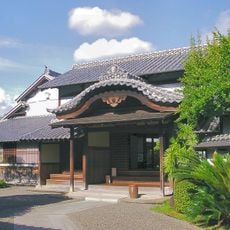
Kumamoto Daijingū is a shrine in Chūō-ku built in the Shinmei-zukuri style, a traditional Japanese architectural method featuring straight lines and symmetrical design. The main building has a large front gable and distinctive curved roof, while the grounds feature gravel paths, old trees, and stone lanterns.
Founded in 1876 as the Kumamoto headquarters of the Jingūkyō, the shrine first stood inside Kumamoto Castle but burned down in February 1877 during the Satsuma Rebellion. It was rebuilt in Tedorihonmachi, moved to Takajōmachi in 1888, and relocated to its present site in 1926, with the transfer ceremony held on 24 January 1927. In April 2016, collapsing castle turrets pierced the shrine roofs.
The shrine is dedicated to Amaterasu, the sun goddess, and Toyouke Omikami, the goddess of agriculture. You can observe daily rituals here such as coin offerings and respectful bows at the gate, which reflect how locals connect to these beliefs in everyday life.
The shrine is open 24 hours daily, allowing visits at any time, with early mornings being particularly quiet. An on-site office sells charms and goshuin stamps that serve as souvenirs of your visit.
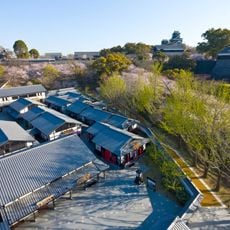
The shrine stands just east of Kumamoto Castle, and the castle's honmaru stone wall rises directly to the left of the main hall. In the April 2016 Kumamoto earthquake, the castle's Higashi-jūhachiken and Kita-jūhachiken turrets collapsed and broke through the shrine buildings' roofs.
The community of curious travelers
AroundUs brings together thousands of curated places, local tips, and hidden gems, enriched daily by 93,536 contributors worldwide.