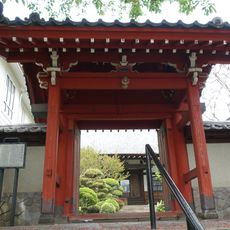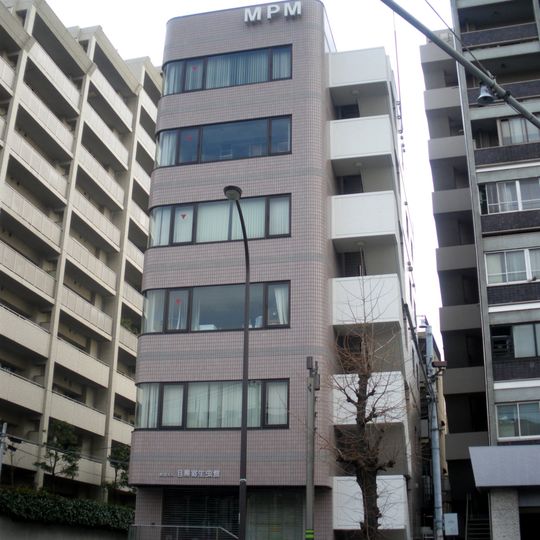
Meguro Parasitological Museum, Medical museum in Shimo-Meguro, Japan.
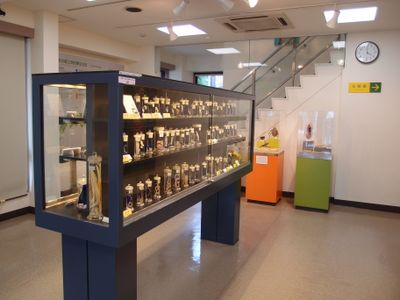
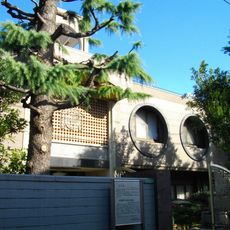
The Meguro Parasitological Museum is a medical collection in a residential area of Tokyo dedicated to parasitic organisms and the diseases they cause. The two floors display thousands of preserved specimens alongside charts, models, and explanations that help visitors understand how these creatures live and affect human health.
The museum was founded in 1953 by Dr. Satoru Kamegai during a time when Japan struggled with widespread hygiene problems and infectious diseases. It was created to address the urgent need to educate the public about these health threats.
The museum reflects how parasites were once a routine health concern in Japan, and how education helped people protect themselves from infection. The displays convey these lessons in a straightforward way that feels approachable rather than clinical.
The museum sits about 15 minutes on foot from Meguro Station and admission is free. It opens Tuesday through Sunday from 10:00 AM to 5:00 PM, so plan your visit on a weekday if you want time to explore without crowds.
The museum houses an 8.8-meter tapeworm specimen removed from a patient who ate raw trout, one of the longest parasites ever recorded. This specimen shows how enormous these organisms can grow inside the human body.
The community of curious travelers
AroundUs brings together thousands of curated places, local tips, and hidden gems, enriched daily by 90,805 contributors worldwide.