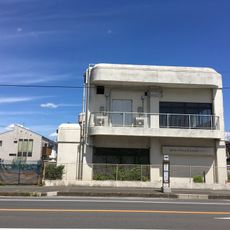
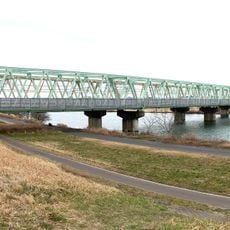
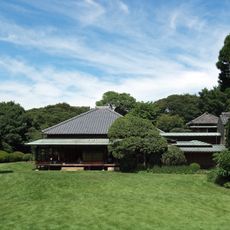
Yagiri-jinja, Shinto shrine in Shimo-yakiri, Matsudo, Japan
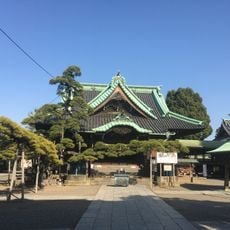
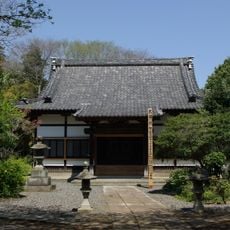
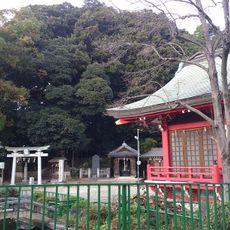
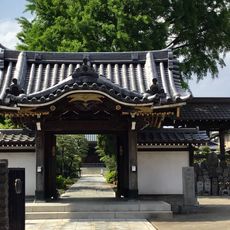
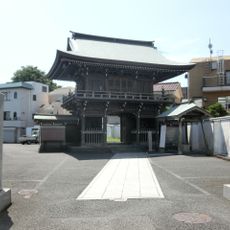
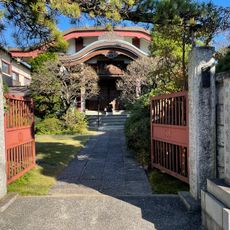
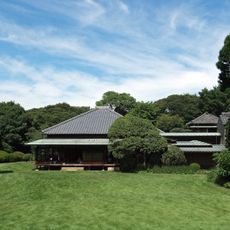
Yagiri-jinja is a small Shinto shrine in Shimo-yakiri featuring a traditional East Asian roof with a distinctive hip-and-gable design. The site includes a main hall, worship hall, and offering hall, all constructed from wood and preserved as structures of local historical importance.
Yagiri-jinja was founded in 1704, when a long rain caused the Edogawa to flood to about 2.5 m above ground, killing many residents of the riverside houses. Villagers moved to the plateau and enshrined an Inari deity brought from Higashiyama in Kyoto as their tutelary god; the shrine was formerly called Inari-jinja. The flood also led to Shimmel-jinja in Kami-Yagiri, while Katori-jinja became the tutelary shrine of Naka-Yagiri.
The shrine was originally called Inari Shrine, after the Inari deity transferred from Higashiyama in Kyoto as guardian following the 1704 flood. Annual rites include Hatsu-uma in February for Inari, Suijin-sai on 15 July for Benzaiten, and the grand festival in mid-October with a eve and main day.
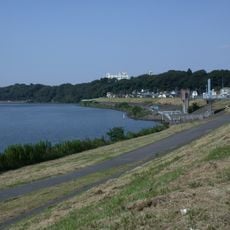
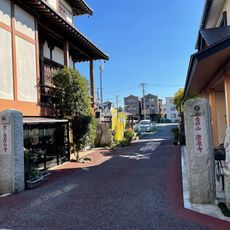
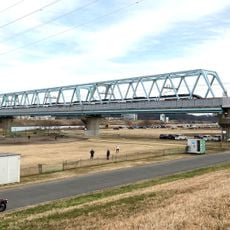
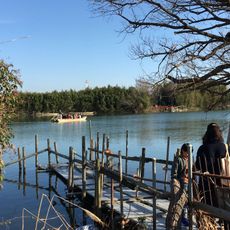
Yagiri-jinja stands in Shimo-yakiri, Matsudo, Chiba Prefecture, on the tableland above the Edogawa, the ground villagers moved to after the 1704 flood. The shrine is reached from the Yagiri no Watashi ferry landing, which the Yagiri Furusato Basha horse carriage once linked to the shrine when visitors peaked after Hosokawa Takashi's hit song "Yagiri no Watashi".
The shrine was founded after the 1704 flood of the Edogawa, when villagers moved to higher ground and enshrined an Inari deity brought from Kyoto's Higashiyama. It was originally called Inari Shrine. In the peak years of the "Yagiri no Watashi" song, a horse-drawn carriage called Yagiri Furusato Basha ran between the shrine and the Edogawa ferry crossing.
The community of curious travelers
AroundUs brings together thousands of curated places, local tips, and hidden gems, enriched daily by 94,557 contributors worldwide.