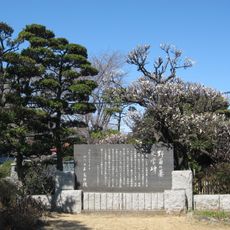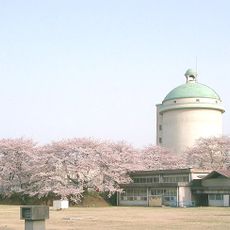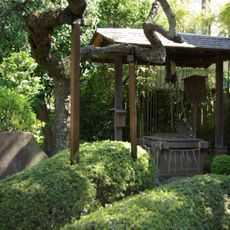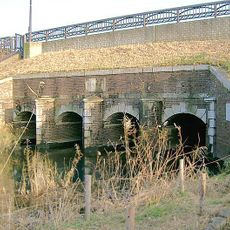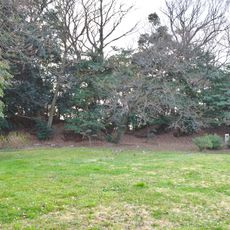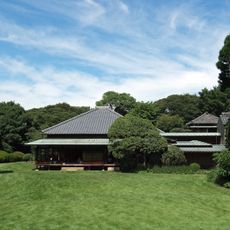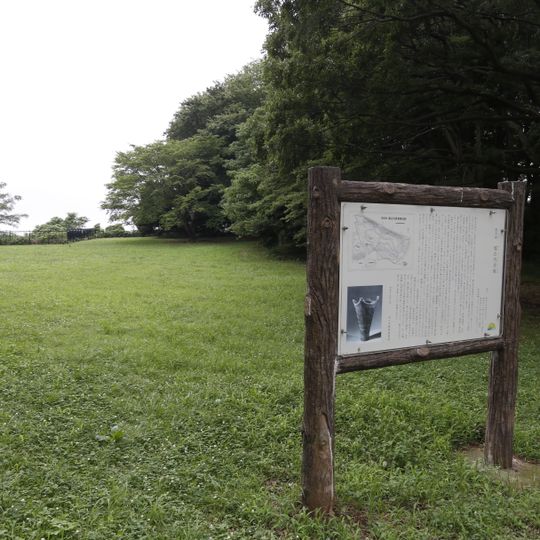
Horinouchi Shell Mound, Archaeological midden in Ichikawa, Japan
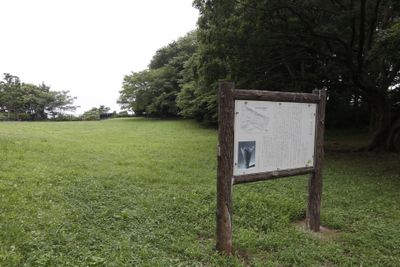
Horinouchi Shell Mound is an archaeological site in Ichikawa that rises near the Kokubun River and shows a distinctive horseshoe-shaped outline when viewed from above. Layers of shell remains and soil preserve evidence of human activity from thousands of years ago.
The site was explored in 1904 by the Anthropological Society of Tokyo and revealed one of the earliest known human skeletons found in Japan at that time. This discovery helped researchers understand settlement patterns and the lives of Jōmon people.
The site contains numerous artifacts including pottery, stone tools, shell bracelets, and clay figurines that represent daily life during the Jōmon period.
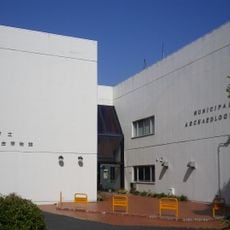
Visitors can explore the site itself, where the natural formation is easy to identify from the surrounding landscape. The adjacent Ichikawa Archaeological Museum displays recovered items from this location and is walkable in about 8 minutes.
Pottery recovered here became the reference for defining a whole ceramic style: Horinouchi ware is recognized by specialists through its distinctive rim patterns and spiral decorations. This style appears across archaeological sites throughout the Kantō region.
The community of curious travelers
AroundUs brings together thousands of curated places, local tips, and hidden gems, enriched daily by 90,754 contributors worldwide.