Yanomiya Shrine, Shinto shrine in Japan
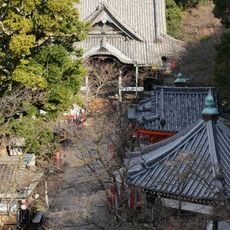
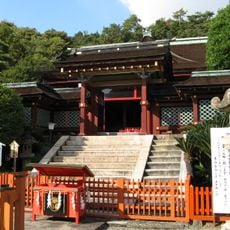
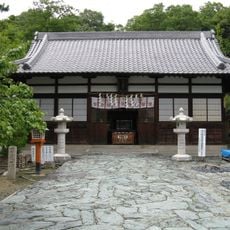
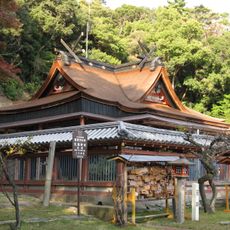
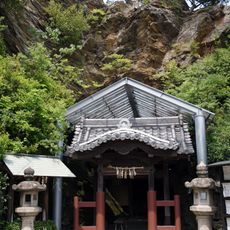
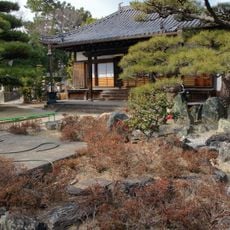
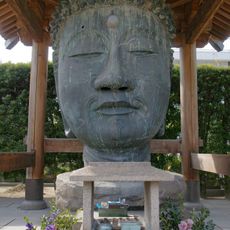
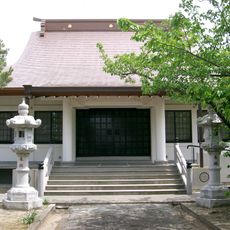
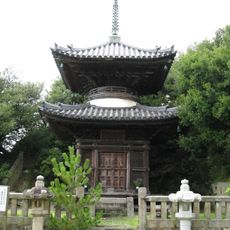
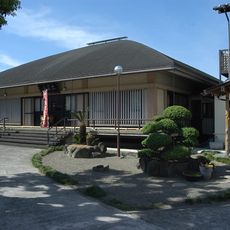
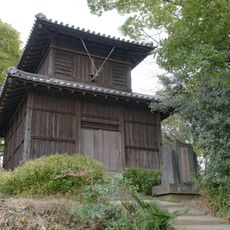
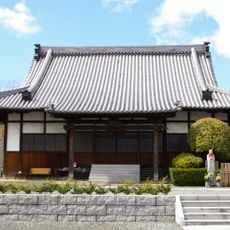
Yanomiya Shrine is a small Shinto shrine in Wakayama built in traditional wooden style with a gently curved roof and lanterns at its entrance. The well-maintained grounds feature a central altar for offerings, stone lanterns lining the path, and mature trees that create a natural feeling of calm.
According to oral tradition, the shrine was founded during the reign of Empress Suiko by an ancestor of the Yatabe family, who served as priests, at the site where Kamotaketsunomi-no-mikoto camped and defeated the rebel leader Nagasuhobe. The shrine burned down in 1577 during Oda Nobunaga's attack on Saika, but was rebuilt in 1637 under Tokugawa Yorinori, lord of Kishu Domain, and received continued patronage until the Meiji Restoration.
The simple wooden architecture and ritual customs visible here reflect how Shinto worship remains woven into local daily life. Visitors perform traditional gestures like clapping and bowing, leaving small offerings that show respect and connection to spiritual beliefs.
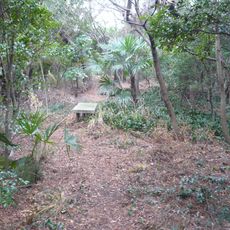
The approach to the shrine is a quiet walk along a narrow stone path lined with grass and trees. The site is straightforward to visit and requires no special preparation, though comfortable walking shoes are helpful for the unpaved terrain.
The shrine's name comes from a white-feathered whistling arrow (kabura-ya) said to have been found glowing in the forest at night; locals traced the light, built a temporary shrine, and the deity declared itself a war god. The shrine's own record (shaki) preserves this origin story.
The community of curious travelers
AroundUs brings together thousands of curated places, local tips, and hidden gems, enriched daily by 93,465 contributors worldwide.