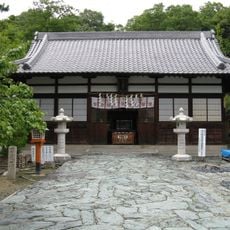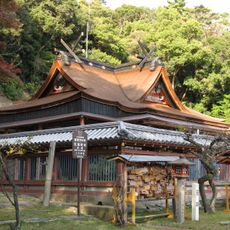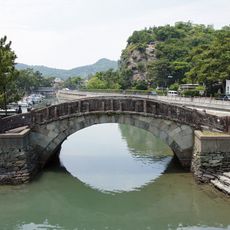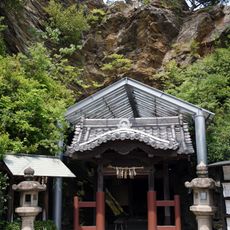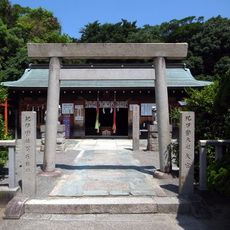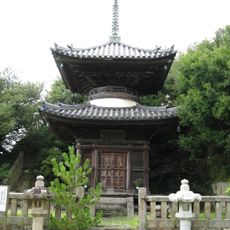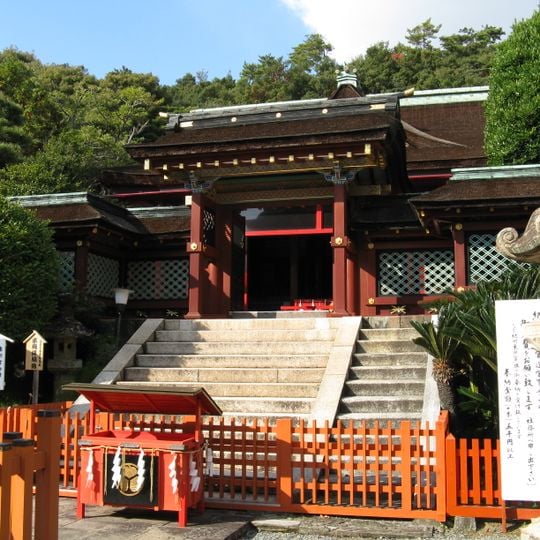
Kishū Tōshō-gū, Shinto shrine in Wakayama, Japan.
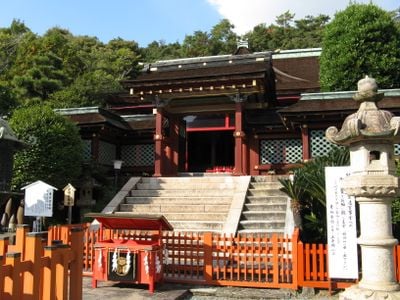
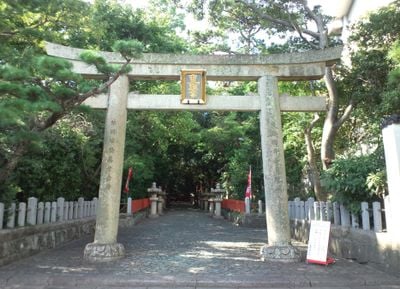
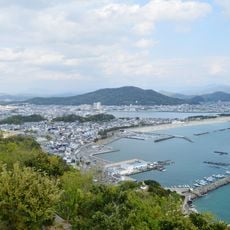
Kishū Tōshō-gū is a Shinto shrine located on Mount Saiga in Wakayama, featuring vermilion-lacquered gates and pavilions that overlook Wakaura Bay. The complex is arranged on multiple levels that integrate traditional architecture with the natural hillside terrain.
Tokugawa Yorinobu, the tenth son of Tokugawa Ieyasu, established this shrine in 1621 as a guardian sanctuary for the Nankaido region. Its construction reflected the political importance of the area during the Edo period.
The shrine buildings display sculptures by Hidari Jingoro and fusuma paintings by Kano Tanyu that represent artistic achievement from the Azuchi-Momoyama period. These works are visible throughout the rooms and showcase the skill of the craftspeople who created them.
Visitors reach the main shrine by climbing Samurai-zaka, a sequence of 108 stone steps beginning at the shrine entrance. The site requires physical effort on the ascent, so plan time and wear appropriate footwear for the climb.
The shrine structures use black and red lacquering throughout with metal fittings following the Ishi-no-ma-zukuri architectural style. This design system sets the buildings apart from other Japanese shrines through their specific treatment of color and material.
The community of curious travelers
AroundUs brings together thousands of curated places, local tips, and hidden gems, enriched daily by 91,088 contributors worldwide.