Tamatsushima Shrine, Shinto shrine in Wakayama Prefecture, Japan
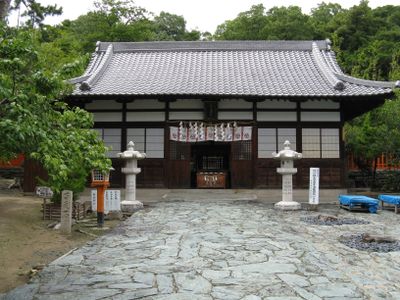
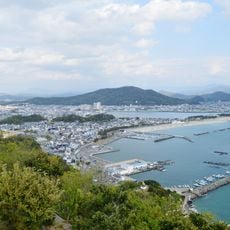
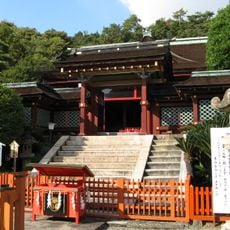
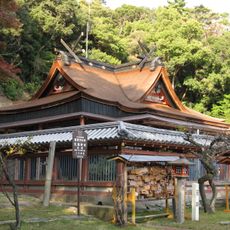
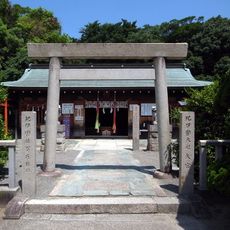
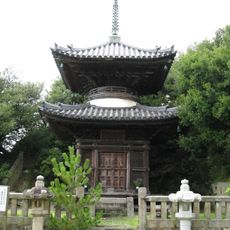
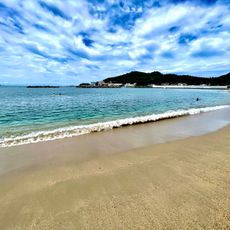
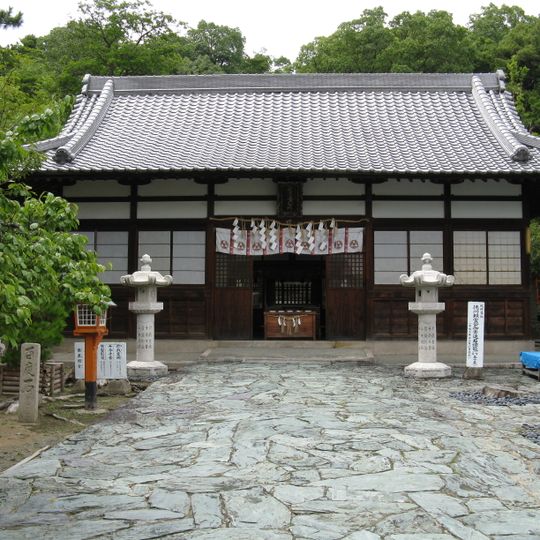
Tamatsushima Shrine is a Shinto shrine in Wakayama built in the Kasuga-zukuri style, situated on a hillside overlooking the coast. The grounds feature simple wooden structures with traditional design, surrounded by mature trees and stone statues.
According to shrine tradition, the shrine began when Empress Jingū enshrined a divided spirit of Tamatsushima after receiving its protection during her campaign on the Kii Peninsula. In 724, Emperor Shōmu visited Wakanoura, ordered guardians for the landscape and had the spirits of Tamatsushima and Akōno'ura worshipped. Asano Yoshinaga rebuilt the main hall on 27 November 1606, and Tokugawa Yorinori later had it remodelled.
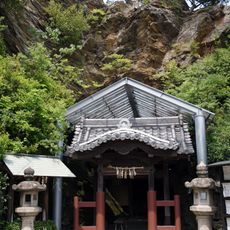
The shrine is one of the three waka deities of Japan, alongside Sumiyoshi and Kitano; from the early modern period Kakinomoto no Hitomaro replaced Kitano in this trio. The white curtain with red circular motifs hangs above the offering box, and the Sodekake wall recalls Ono no Komachi, who is said to have hung her sleeves there.
The shrine stands a short walk from the Tamatsushima-jinja-mae bus stop, served by buses from JR Wakayama and Nankai Wakayamashi stations. The precinct is level, with the worship hall reached without steps. The two stone lanterns in front of the hall were donated by Tokugawa Yorinori in 1655 and are city-designated cultural properties.
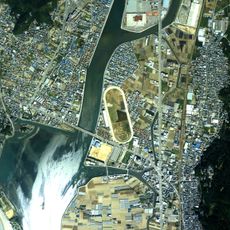
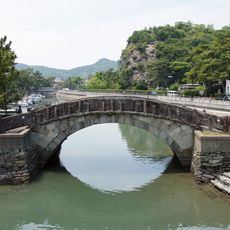
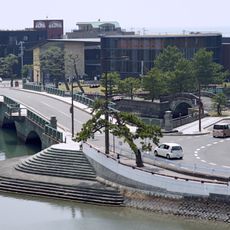
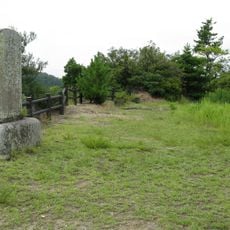
The shrine's grounds form part of the nationally designated Place of Scenic Beauty and Historic Site of Waka-no-ura. Among its holdings are a thirty-six poets plaque set painted by Kanō Okunobu, a portable mikoshi, and a wall called Ono no Komachi's Sodekake, where legend says the poet hung her sleeve. The Neagari Matsu, a pine with exposed roots, is a prefectural natural monument.
The community of curious travelers
AroundUs brings together thousands of curated places, local tips, and hidden gems, enriched daily by 94,431 contributors worldwide.