Tanamukaihara Site, Archaeological site in Chūō-ku, Japan
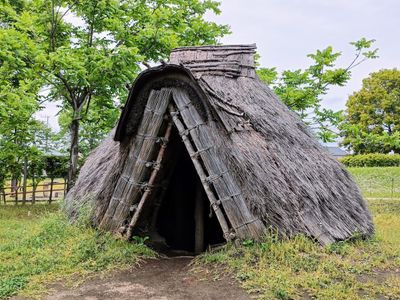
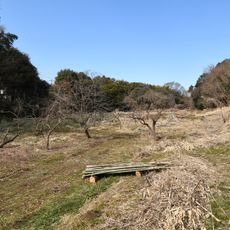
Tanamukaihara Site is an archaeological site on a river terrace 11 meters above the left bank of the Sagami River. Excavations found a circular dwelling about 10 meters in diameter, outlined by river cobbles, with 12 post holes and two hearths. About 3,000 stone artifacts include 193 spearheads and over 50 knife-shaped tools, mostly of obsidian from Nagano, Izu and Hakone.
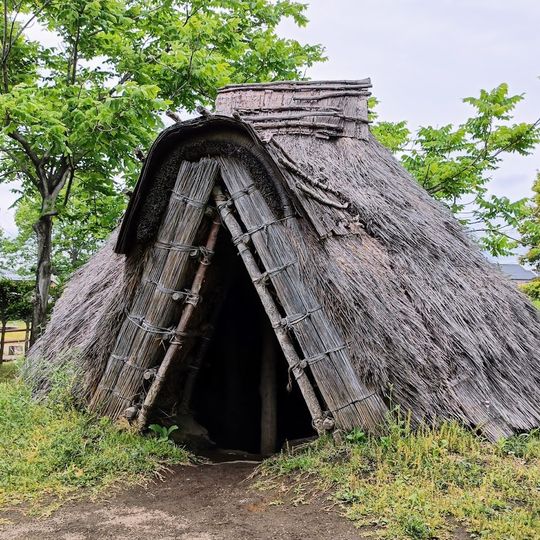
Excavations revealed that the site was occupied about 20,500 years ago, when people dug pit dwellings and made their daily tools there. This early settlement shows how human groups lived in Japan during the Paleolithic period.
The name Tanamukaihara combines Tana, the district, with Mukaihara, literally "facing field," a local place name rather than an ancient gathering ground. The obsidian spearheads, made from stone from Nagano, the Izu Peninsula and Hakone, show that Paleolithic people here obtained raw material from several distant sources.
The site is accessible by public transportation, with the nearest station within walking distance. Visitors should wear sturdy shoes since the ground is uneven and weather can affect conditions on the grounds.
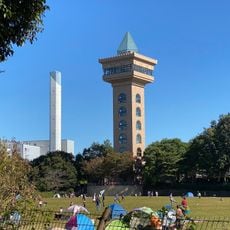
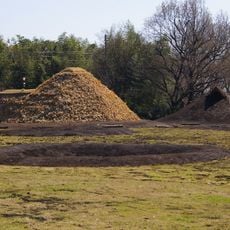
The reconstructed pit dwelling and the kofun are both outdoor exhibits in the park, which opened on 31 March 2007. The Paleolithic learning hall, the Kyūsekki Hatena-kan, opened in April 2009 on the opposite side of the prefectural road. Two kofun found during park construction, Yawara Nos. 13 and 14, were reburied and preserved in place.
The community of curious travelers
AroundUs brings together thousands of curated places, local tips, and hidden gems, enriched daily by 94,537 contributors worldwide.