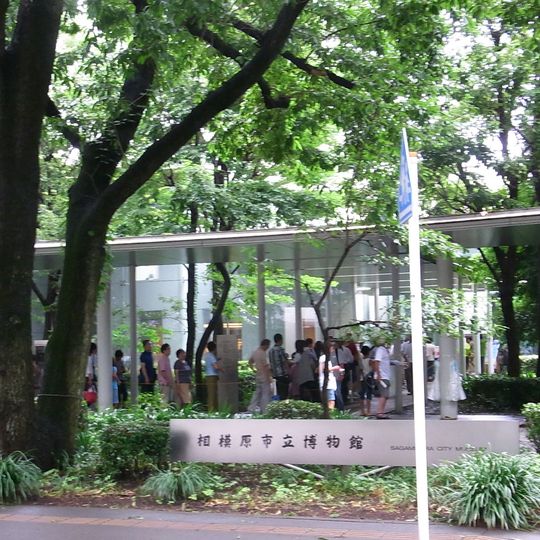
Sagamihara City Museum, City museum in Chūō-ku, Japan
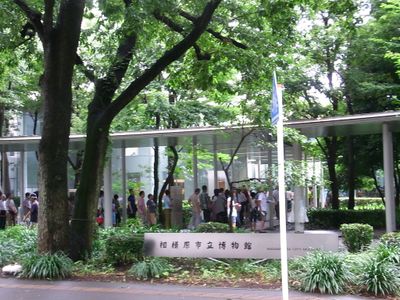
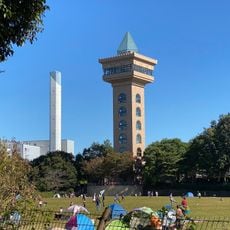
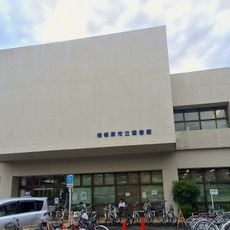
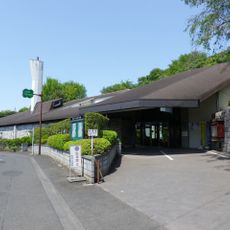
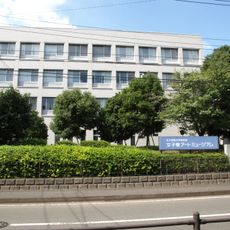
Sagamihara City Museum opened on 20 November 1995 on the former Camp Fuchinobe site, next to the National Film Archive's Sagamihara annex. The building holds permanent and special exhibition rooms, an astronomy room, a planetarium, meeting rooms and a shop. Its permanent displays trace the Sagamino Plateau from the Palaeolithic to the present through geology, archaeology, history, folklore and natural-history specimens and dioramas.
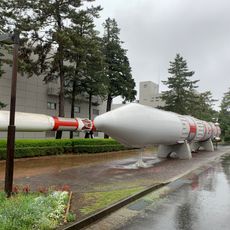
The museum opened on 20 November 1995 on the former site of Camp Fuchinobe, next to the Sagamihara annex of the National Film Center (now the National Film Archive of Japan). In 2010 it displayed the Hayabusa capsule, and in 2021 it showed the Hayabusa2 capsule and later the Ryugu samples. A planetarium naming-rights deal with Tokyo Kiraboshi Financial Group takes effect in July 2026.
The museum displays items that tell the story of how Sagamihara developed over time, helping visitors understand the area's past. The exhibitions connect local history with the everyday lives of people who live here today.
The museum is not within walking distance of Fuchinobe Station; take a bus from JR Fuchinobe Station on the Yokohama Line and get off at "Shiritsu Hakubutsukan-mae." Buses from JR Sagamihara Station and Odakyu Sagamidai Station stop at "Uchū Kagaku Kenkyū Honbu." Admission is free, the planetarium is charged, and about 100 parking spaces are free.
The museum's official mascot, Obinocchi, is modelled on a clay figure attached to the rim of a Jōmon pot from the Ōhinohara site in Sawai, Midori-ku. The vessel, a Sagamihara designated tangible cultural property, is displayed in the permanent exhibition room.
The community of curious travelers
AroundUs brings together thousands of curated places, local tips, and hidden gems, enriched daily by 93,737 contributors worldwide.