Kanagawa Prefecture, Administrative prefecture on central Honshu island, Japan
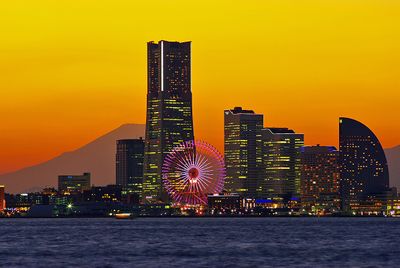
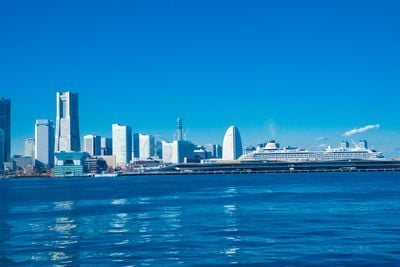
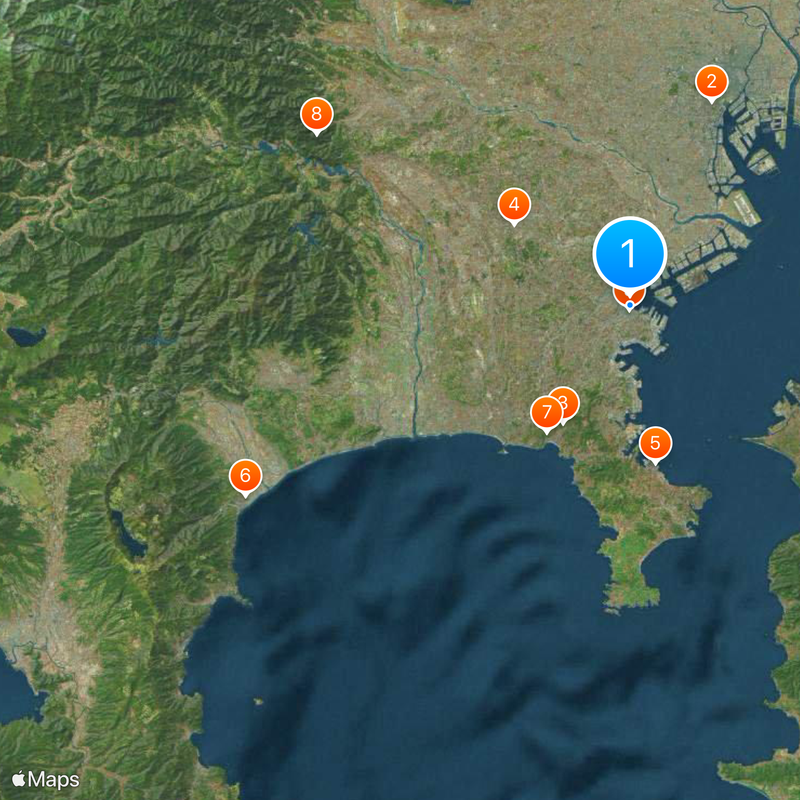
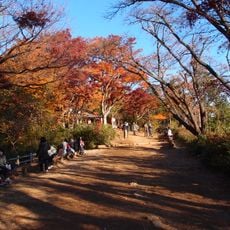
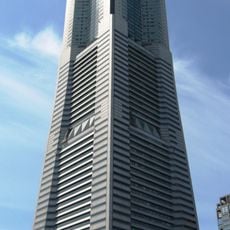
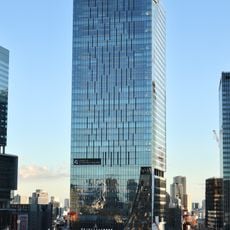
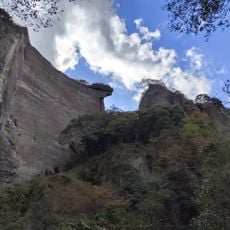
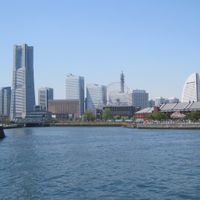
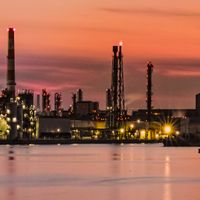
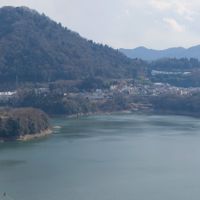
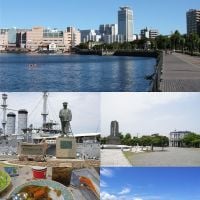
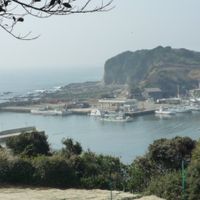
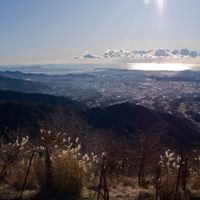
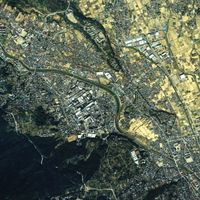
This administrative division stretches along the Pacific coast between Tokyo Bay and Sagami Bay, combining densely built coastal cities with mountainous terrain in the western interior. The landscape shifts from flat coastal plains with industrial ports to forested hills and volcanic ranges that belong to the Fuji-Hakone-Izu National Park.
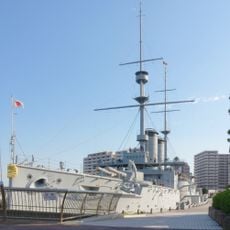
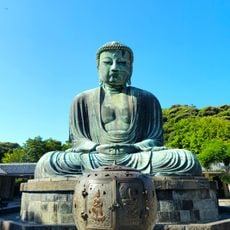
The area gained prominence when foreign ships arrived and Japan opened its ports to international trade, transforming the region into a bridge between tradition and modernization. Earlier, Kamakura served as the seat of a shogunate, and its political weight still shapes the area today.
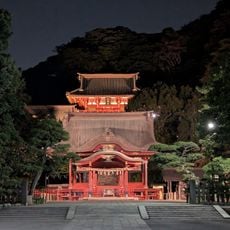
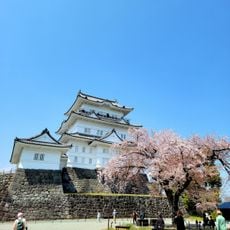
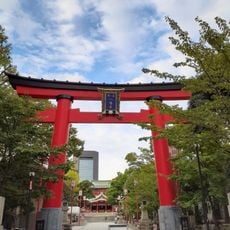
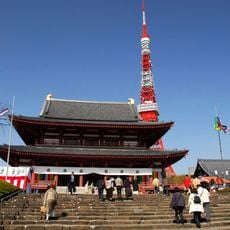
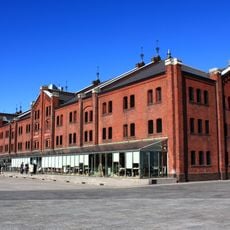
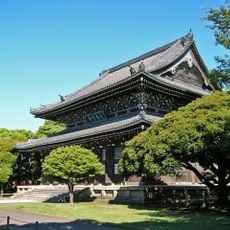
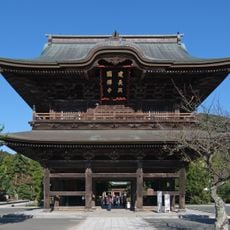
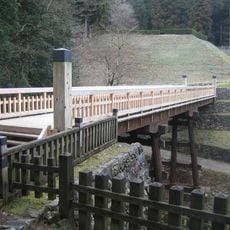
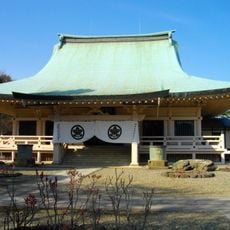
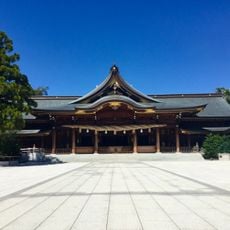
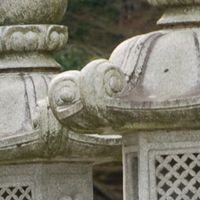
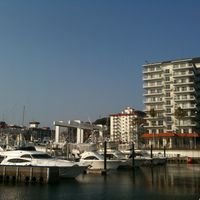
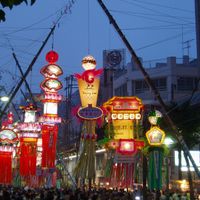
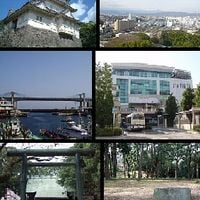
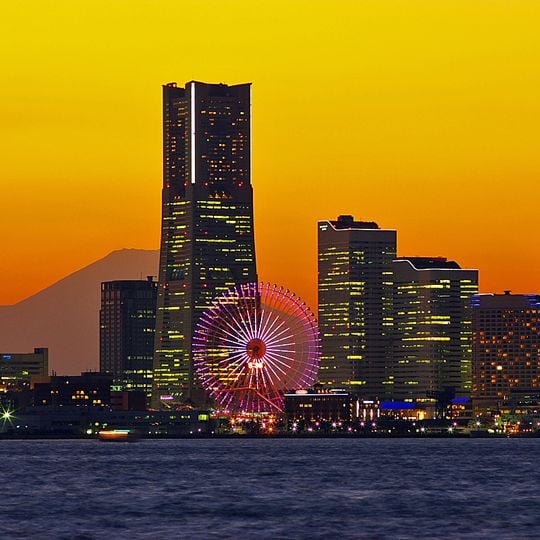
Along the coast and in older districts, visitors encounter temples, shrines, and gardens that remain part of daily life, especially during festivals and seasonal celebrations throughout the year. In the modern harbor areas, international influences blend with local habits, creating a lively atmosphere in markets, restaurants, and community gatherings.
Trains and buses connect coastal cities to each other and to neighboring Tokyo, making it easy for travelers to move between urban centers and rural areas. Many locations sit close to rail stations, which helps with orientation and getting around without a car.
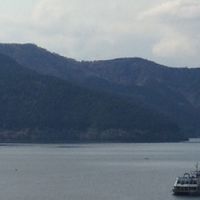
The volcanic soil in the mountain areas feeds hot springs that have been used for centuries and are now accessible in many resort towns. Some of these thermal zones sit right next to lakes formed by volcanic eruptions in the distant past.
The community of curious travelers
AroundUs brings together thousands of curated places, local tips, and hidden gems, enriched daily by 60,000 contributors worldwide.