Tamanawa Castle, Japanese castle ruins in Kamakura, Japan.
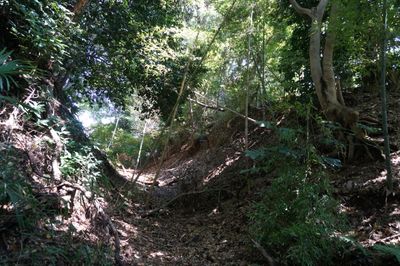
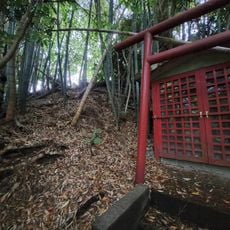
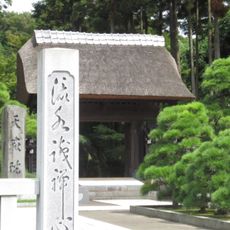
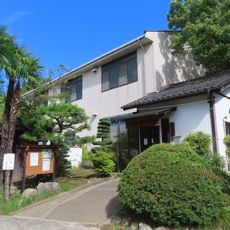
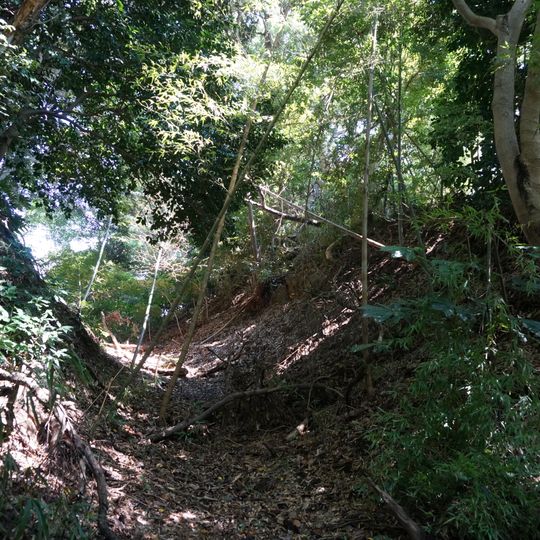
Tamanawa Castle is a hilltop fortification in the Tamanawa district of Kamakura, built on terraces above the Kashiogawa River. Its remains include earthworks, dry moats, and a central enclosure now occupied by the Seisen Jogakuin school. The site is marked by the Suwadan mound, the Taiko-yagura enclosure, and the Nanamagari slope, with a large stone at the school gate said to be part of the castle.
Ise Moritoki established the fortress in 1512 as a base for controlling the Sagami region and used it for over a century. The site fell to Tokugawa Ieyasu in 1590 without a fight and lost its military role by 1619.
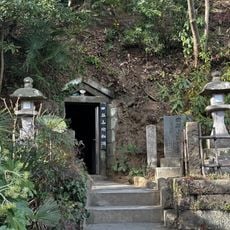
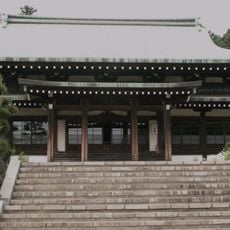
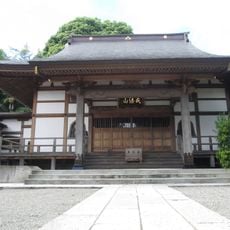
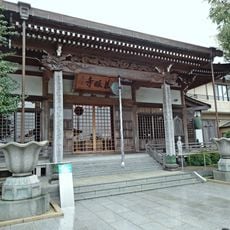
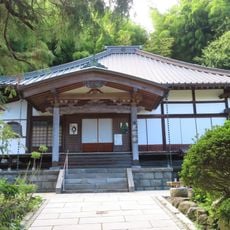
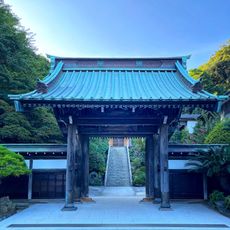
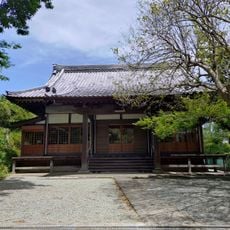
The Ryūhō-ji temple near the castle holds the graves of the Tamanawa Hōjō lords, and its Tamanawa History Museum, opened on 1 August 2020, displays a reconstruction model of the castle, excavated kawarake pottery and stone projectiles. The Tamanawa Kubizuka, a mound along the Kashio River, commemorates Hōjō warriors killed in the 1526 Battle of Tsuruoka Hachimangū; a memorial festival is held there every 19 August.
The main area lies on school grounds and requires permission to visit on weekdays. The outer sections and the nearby temple remain open to walk through and give a sense of the original layout.
In 1526, a relief army under Satomi Yoshitoyo marched on Kamakura but was turned back at the Battle of Tsurugaoka Hachimangu; the fortress withstood repeated Satomi attacks. Uesugi Kenshin's army surrounded the castle in 1561 but withdrew without attacking. The head mound by the Kashio River, with a stone monument erected in 1968, commemorates a Hojo commander killed in that 1526 battle.
The community of curious travelers
AroundUs brings together thousands of curated places, local tips, and hidden gems, enriched daily by 93,553 contributors worldwide.