Zenshoji, Buddhist temple in Suma-ku, Kobe, Japan
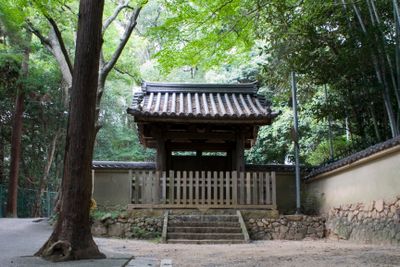
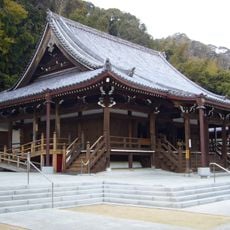
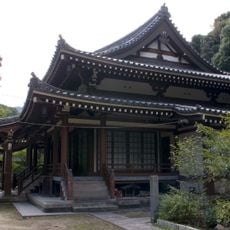
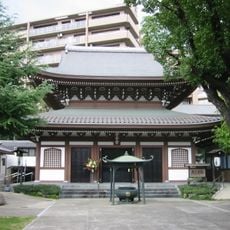
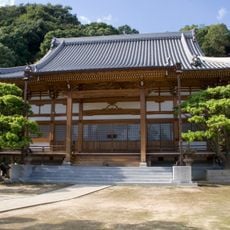
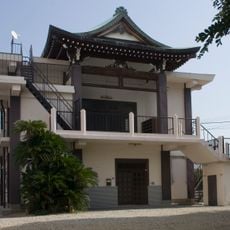
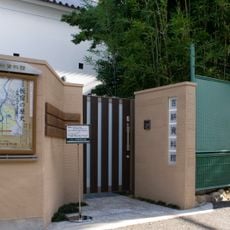
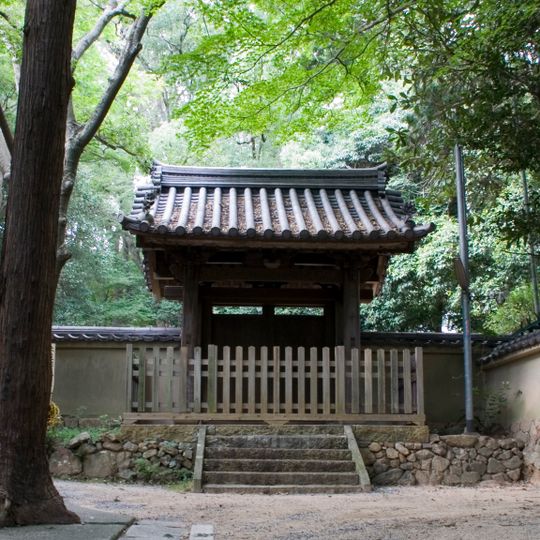
Zenshoji is a Rinzai-sect temple of the Nanzenji school in Zenshoji-cho, Suma-ku, Kobe, with the mountain name Jinbutsu-zan and an eleven-faced Kannon as its principal image. Its main hall was rebuilt in 1915, and the temple grounds also hold a kindergarten. Two painted wooden door panels saved from the 1879 fire survive.
Zenshoji was founded between 1356 and 1361 by the monk Getsuan Soko under an edict of Emperor Go-Kogon, and the Ashikaga shogunate granted it 36 koku of temple land. It was exempted from levies by Oda Nobunaga and Araki Murashige, then burned in 1580 during Toyotomi Hideyoshi's campaign against Bessho Nagaharu at Miki Castle. The abbot's quarters were later rebuilt with the Hokoku-tei, moved from a Momoyama palace; the main hall dates from 1915.
The temple belongs to the Rinzai sect's Nanzenji branch and is dedicated to an eleven-faced Kannon statue said to have been made by Amida about 650 years ago, now enshrined at the front of the inner hall. In the cemetery beside the temple are the graves of Tozawa Heikuro Mitsumori, known as the "god of measles", and Sekiya Kiyokage, a pioneer of earthquake research.
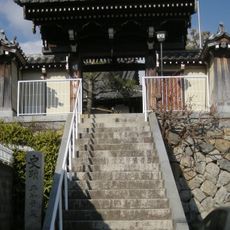
Zenshoji stands in Suma-ku, a 15-minute walk north from Itayado Station on the Kobe Municipal Subway and Sanyo Electric Railway. The grounds also hold Zenshoji Kindergarten, so expect children around on weekday mornings. The main hall dates from 1915, reached after climbing the temple slope.
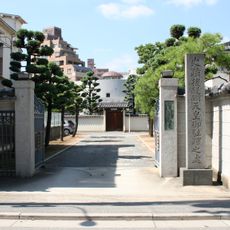
The temple's cemetery holds the graves of Tozawa Hirakuro Mitsumori, known as the "god of measles", and Sekiya Kiyokage, a pioneer of earthquake research in Japan. A nameplate was found during repairs to the temple gate in 1983.
The community of curious travelers
AroundUs brings together thousands of curated places, local tips, and hidden gems, enriched daily by 94,023 contributors worldwide.