Usuki-jinja, Shinto shrine in Japan
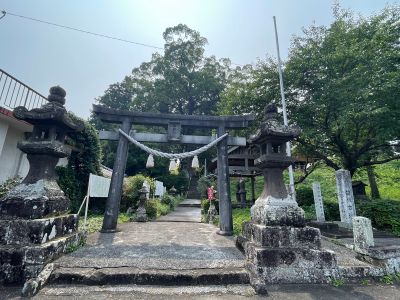
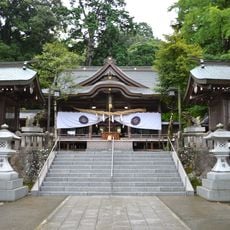
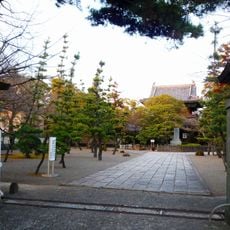
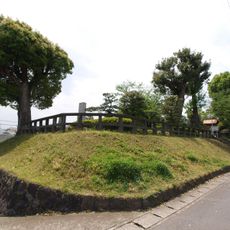
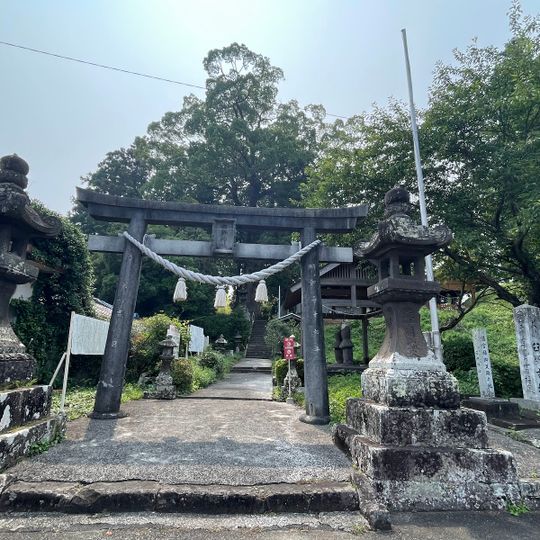
Usuki-jinja is a Shinto shrine in Usuki built atop a burial mound containing boat-shaped stone burial chambers. The grounds feature traditional wooden buildings with stone lanterns and a 700-year-old camphor tree believed to have healing properties.
According to tradition, the shrine was founded in 1318 (Bunpō 2) following an oracle and was first called Usuzuka Daimyōjin. In 1730 it was renamed Usuki Daimyōjin, and in 1876 it merged with the Tenmansha of Inada to become Inada Jinja. It took its present name, Usuki-jinja, in 1920. Its grounds cover the whole of the Usuzuka Kofun, a keyhole-shaped burial mound.
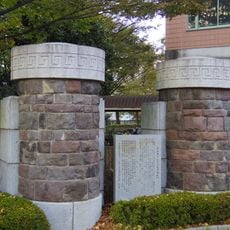
The shrine is nicknamed "Usuzuka-sama" and was one of the five Usuki shrines of the Otomo period. Its lion dance, offered at the spring and December festivals, began in 1795. The name Usuki is said to derive from the two stone figures before the gate, which resemble a mortar (usu) and pestle (kine).
The shrine grounds occupy the whole of Usuzuka Kofun, a keyhole-shaped burial mound; the two stone figures stand near the torii after being moved during grounds improvements. Access is a 15-minute walk from JR Nippo Line Kuzaki Station. The spring and autumn festivals are held on the second Sunday of April and around 19 December.
The shrine's name is linked to two haniwa called tankō-gata sekijin, clay figures shaped like lamellar armour, now moved near the torii. Because they resemble a mortar (usu) and pestle (kine), some say they gave Usuki its name. Both are designated Important Cultural Properties.
The community of curious travelers
AroundUs brings together thousands of curated places, local tips, and hidden gems, enriched daily by 93,448 contributors worldwide.