Susanoo-no-Mikoto-jinja, building in Osaka Prefecture, Japan
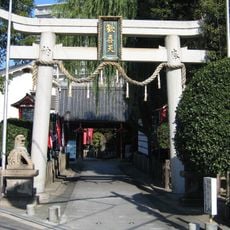
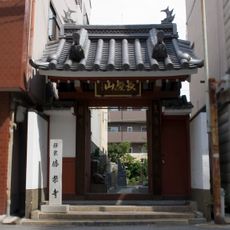
Susanoo-no-Mikoto-jinja is a small Shinto shrine in Osaka featuring a traditional wooden structure with a gently curved roof and modest main building. The grounds contain a stone pathway lined with moss, a water basin for ritual hand-washing, shrine gates at the entrance, and a stone lion statue, though the primary torii gate was recently removed due to structural concerns.
The shrine's founding date is unknown; it was long called the Gion or Gozu Tennō shrine of Urae. In 1908 it merged the Hachiman, Nonomiya and Saigū shrines, and in 1912 the Wani shrine. It was renamed Susanoo-no-Mikoto-jinja and listed as a village shrine, burned in the 1945 Osaka air raids, and rebuilt on 16 April 1977.
The shrine is commonly called Yasaka-jinja, and its deity Susanoo-no-Mikoto is identified with Gozu Tenno, the ox-headed king of pestilence. The grounds also hold small subsidiary shrines to Hachiman, Iyo no Hime, Nonomiya and Wani, the last linked by legend to the tomb of the scholar Wani, a claim local historians reject.
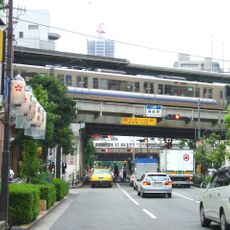
The shrine stands in Oyodo-minami, Kita-ku, Osaka. From Fukushima Station on the Osaka Loop Line it is about a nine-minute walk to the northwest. The grounds are open to enter, and the rebuilt main hall dates from 1977 after the 1945 air raids destroyed the earlier buildings.
The primary torii gate was recently removed due to structural damage, a visible reminder of the community's ongoing effort to maintain the grounds and plan future repairs. Despite this change, the shrine remains an active center of local devotion with ceremonies and festivals happening throughout the year.
The community of curious travelers
AroundUs brings together thousands of curated places, local tips, and hidden gems, enriched daily by 94,593 contributors worldwide.