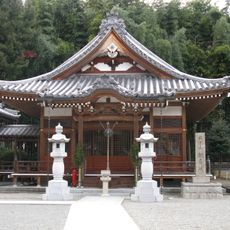
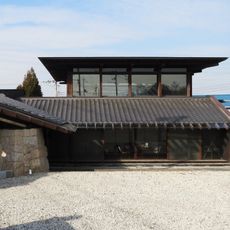
Sugo-jinja, Shinto shrine in Japan
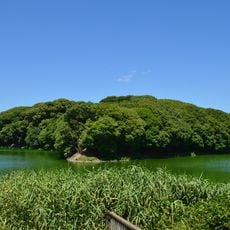
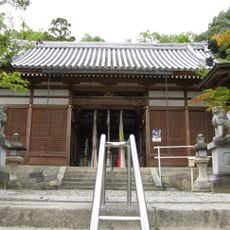
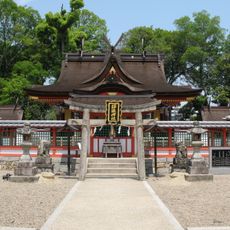
Sugo-jinja is a Shinto shrine in the Mihara ward of Sakai, Osaka Prefecture, also known as Sugo Tenmangu. It enshrines Sugawara no Michizane and Amenokoyane no Mikoto, with Amaterasu, Susanoo, Emperor Ankan and Homuda Wake added through shrine mergers. A pond called Sugazawa, where shrine monks once claimed Michizane was born, still lies within the grounds.
The shrine's origin is unclear; it is thought the local Sugo clan, descended from the Nakatomi, worshipped their ancestral deity Amenokoyane-no-Mikoto here. Its first documentary mention is in the Shinshō Kyakuchokufu, which records that in 759 a household was assigned to support it. Listed as Sugo-jinja of Tanbichi district, Kawachi province, in the Engishiki, it was ranked a taisha; in 1872 it became a gōsha.
The shrine is also called Sugō Tenmangū. In the Middle Ages, when Tenjin worship spread, monks of the shrine's temple Takamatsuyama Tenmon-ji taught that Sugawara no Michizane was born beside the Sugazawa pond in the grounds; the pond still exists. Michizane was then invited in and worshipped alongside the original deity, and by the Edo period he had become the main kami.
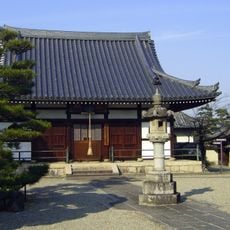
The shrine stands in Mihara Ward, Sakai, Osaka Prefecture, and is also known as Sugo Tenmangu. The precinct retains the Sugazawa pond where, according to the shrine's tradition, Sugawara no Michizane was born. Visitors can see the pond alongside the main hall, whose repair work was documented in a 2008 report by the city.
The shrine's name, Sugo, comes from the Sugo clan, local rulers descended from the Nakatomi family, who are thought to have worshipped their ancestral deity Amenokoyane-no-Mikoto here. The grounds still hold Sugazawa, the marsh beside which, according to a medieval tradition spread by the shrine's own monks, Sugawara no Michizane was born.
The community of curious travelers
AroundUs brings together thousands of curated places, local tips, and hidden gems, enriched daily by 94,364 contributors worldwide.