陶荒田神社, Shinto shrine in Japan
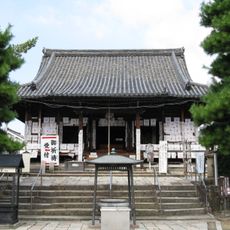
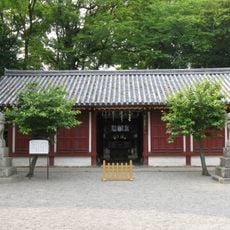
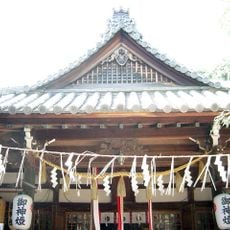
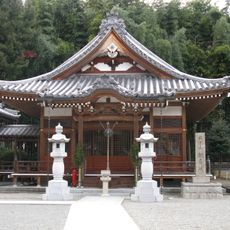
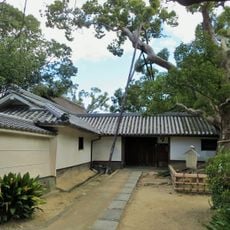
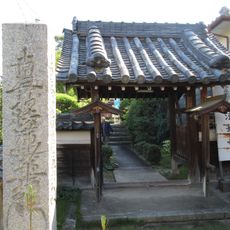
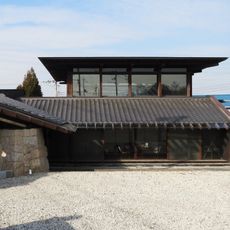
Tougharata Shrine is an ancient Shinto sanctuary in Sakai with a simple wooden structure and a tall torii gate at the entrance. The complex includes several smaller shrine buildings and auxiliary structures with traditional Irimoya-style architecture featuring curved roof edges.
The shrine was founded around 90 BC and was closely tied to the region's ancient pottery production, known as Suemura. Over centuries it remained an important site for local ceremonies and was recorded in historical documents like the Kojiki and Engi Shiki.
The shrine's name comes from the place name Suemura and the Arata family clan honored here. It stands in close connection to the region's pottery history, as it once served as a center where ceramic craftsmen came to pray for blessing in their work and for prosperity in trade.
The shrine stands in Ueno, Naka-ku, Sakai, in the Suemura area tied to ancient Sue ware production. It is a short walk from the Uenoshiba district; the grounds are compact and can be seen in a few minutes. The Hatsuebisu festival in January draws craftsmen and traders, so the precinct is busiest then.
The shrine grounds feature rare architectural elements including roofed Shimenawa pillars that are not commonly seen in Japanese shrines. These special details show the craftsmanship quality and reveal how important this place was to the local community.
The community of curious travelers
AroundUs brings together thousands of curated places, local tips, and hidden gems, enriched daily by 94,652 contributors worldwide.