Takayatukiyama Kofun, Ancient burial mound in Habikino, Japan
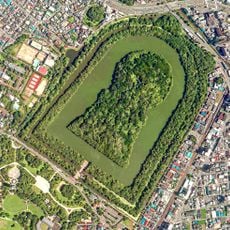
Takayatukiyama Kofun is a keyhole-shaped mound 122 m long, with a 100 m wide, 12.5 m high square front and a 78 m diameter, 13 m high round rear, at the southern end of the Furuichi kofun group. Cylindrical haniwa found here date its construction to the early 6th century. The mound's original form was much altered when Hatakeyama Castle's main bailey was built on it in the late Muromachi period.
The mound was built around the 6th century during an era when such large burial monuments were being constructed throughout Japan. Its creation marks a time when central authority was strengthening in the region.
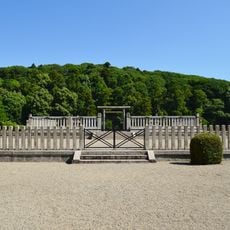
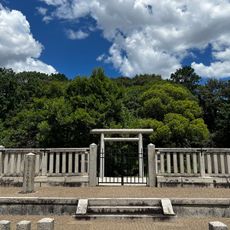
The mound is identified by the Imperial Household Agency as the tomb of Emperor Ankan, the 27th sovereign, and also as the burial place of Princess Kamisaki, a daughter of Emperor Keitai. A worship spot faces the old National Route 170 across the moat at the front of the mound. The surrounding dike was designated a national historic site on 11 October 2024 as part of the Furuichi Kofun Group.
The site is accessible on foot with sturdy paths around the mounds set in a rural area. Visit guides or local information help in finding your way, as the location does not have extensive signage.
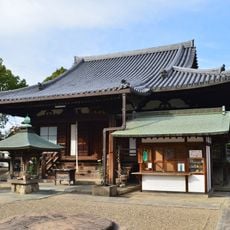
In the Middle Ages the mound's summit held the honmaru, the main keep, of Takaya Castle, the residence of the Hatakeyama clan, which reshaped the original form of the kofun. According to the Ashikaga Kiseiki, Hatakeyama Tamehisa avoided living in the honmaru out of awe and stayed in the ninomaru instead.
The community of curious travelers
AroundUs brings together thousands of curated places, local tips, and hidden gems, enriched daily by 93,637 contributors worldwide.