Sairin-ji, Buddhist temple in Habikino, Japan
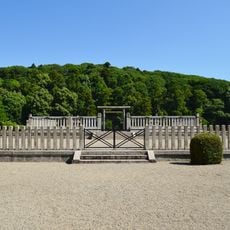
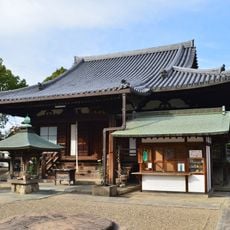
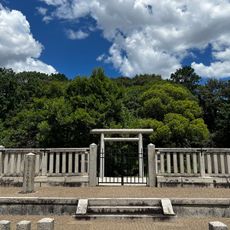
Sairin-ji is a Buddhist temple in Habikino featuring several buildings arranged within temple grounds in traditional Japanese style. The layout includes a main worship hall and a gate structure that visitors pass through to enter the sacred space.
Sairin-ji was founded by the Hasebe clan, descendants of the immigrant scholar Wani, according to the 1271 Sairin-ji Bun'ei chūki. The record dates the founding to 619, during Empress Suiko's reign, making it one of the earliest temples in the Kinai region. It faced the Takenouchi Kaidō, Japan's oldest road linking Naniwa and Asuka. Most medieval buildings were lost to warfare in the Azuchi-Momoyama period and to anti-Buddhist persecution in the Meiji era.
The temple's name is written 西琳寺, read Sairin-ji. It belongs to the Kōyasan Shingon-shū school. A wooden standing Eleven-Faced Kannon, said to have been transmitted from Sairin-ji and kept at Chōen-ji in Furuichi, is a National Important Cultural Property. The temple's stone five-ring pagoda, late Kamakura period, is an Osaka Prefecture designated cultural property.
Sairin-ji stands at 2-3-2 Furuichi, Habikino, Osaka Prefecture, about a six-minute walk from Kintetsu Minami-Osaka Line Furuichi Station. The grounds hold a main hall (hondō), a west gate and a stone five-ring pagoda (gorintō).
The temple's grounds preserve a nearly 2-meter, 27-tonne tower base stone, the largest of the Asuka period, and a roof finial (shibi) from the original buildings. The temple was founded by the Hasebe clan, descendants of the immigrant scholar Wani.
The community of curious travelers
AroundUs brings together thousands of curated places, local tips, and hidden gems, enriched daily by 95,451 contributors worldwide.