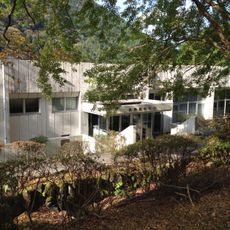
Kusano Honke, Historical machiya in Mameda-machi, Japan
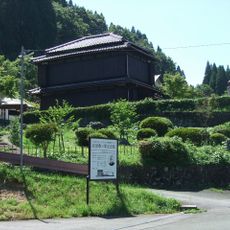
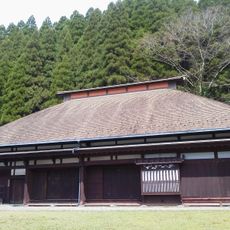
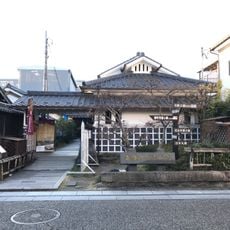
Kusano Honke is a former merchant house in Mameda-machi, Hita, with a main building in the fire-resistant style called igura-zukuri, its walls coated in plaster. The oldest part, the Buddhist altar room, dates from around 1725, while the rest was built after the 1772 fire. The complex includes the main house, a guest room storehouse, a north storehouse, a retreat storehouse, a furniture storehouse and a well canopy.
The Kusano family moved to Mameda in 1641 and opened a wax-refining business at this site in 1688. The oldest part of the main house, the Buddhist altar room, dates from around 1725, making it the oldest merchant house in Oita Prefecture. After a fire in 1772, the remaining sections were added between the late Edo period and the early Meiji era.
The house reveals how wealthy merchants in this region lived and conducted business, with spaces that blended family life and commercial activity. The arrangement of rooms and craftsmanship reflect the daily routines and values of that era.
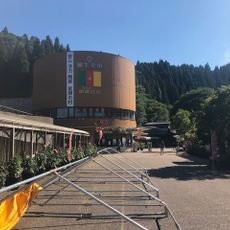
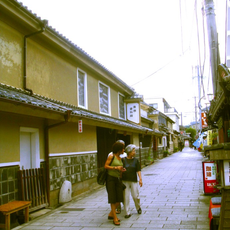
The residence is located in Mameda-machi near the Tenryō Hita Museum, which offers related historical context and exhibits. Visitors should be prepared for low doorways and traditional flooring that require careful movement and respectful behavior throughout.
The house is said to be the birthplace of Japan's hina-matsuri doll festival events. The family crest is a square enclosing the character for "field", and the shop traded under the name Masuya as a refined-wax dealer and also served as a kakeya, a public loan agent. The current head is the 20th generation since the business opened.
The community of curious travelers
AroundUs brings together thousands of curated places, local tips, and hidden gems, enriched daily by 93,850 contributors worldwide.