Nabatake Site, Archaeological excavation site in Karatsu, Japan
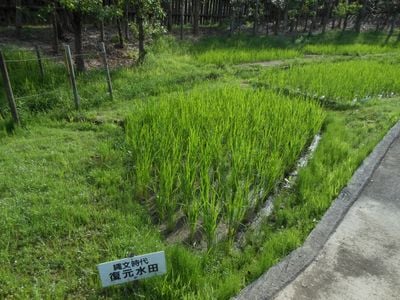
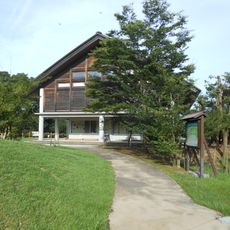
Nabatake Site is an archaeological excavation area on a gentle hill in western Karatsu, positioned about 10 meters above sea level. The location reveals multiple layers of human settlement with remains including wooden implements, stone tools, and pottery from different time periods.
Archaeological excavations beginning in 1980 uncovered 16 distinct layers of settlement documenting human presence from the late Jomon period through the late Yayoi period. These strata preserve the record of occupation spanning thousands of years.
The site reveals how people lived and worked across different periods, with remains showing their daily routines and craft practices. Visitors can observe objects made from wood and stone that offer insight into how inhabitants used tools and shaped their environment over centuries.
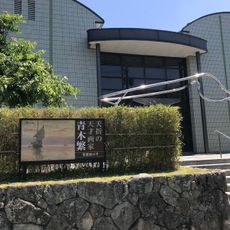
The site is straightforward to navigate and lets you see multiple time periods in one location. A nearby museum displays original finds and offers additional context about the excavations.
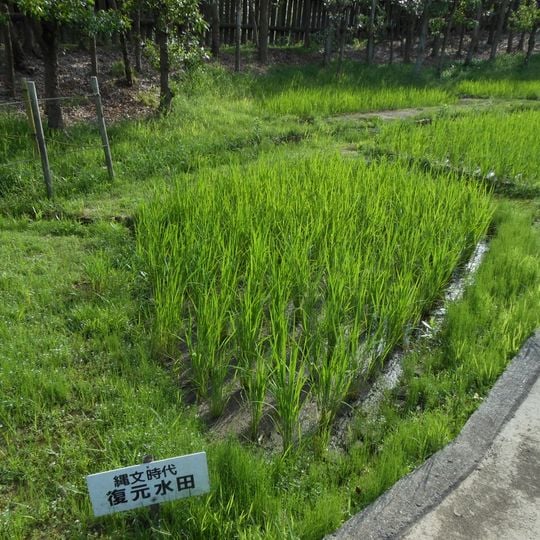
Researchers discovered over 200 carbonized rice grains at this location, including an early Japanese variety from around the first century before the common era. This finding provides insight into early farming practices and the diet of residents at that time.
The community of curious travelers
AroundUs brings together thousands of curated places, local tips, and hidden gems, enriched daily by 92,518 contributors worldwide.