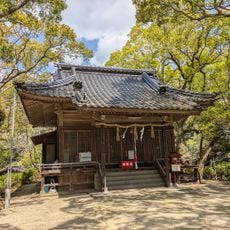
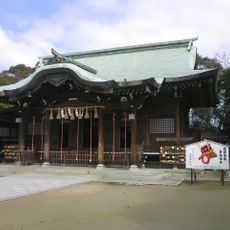
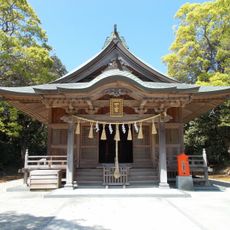
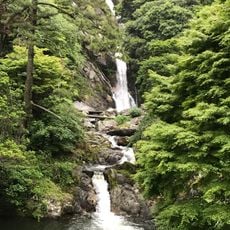
Nagoya Castle, Japanese castle ruins in Karatsu, Japan
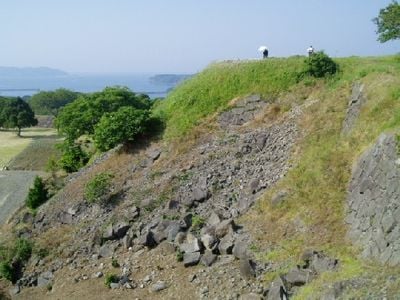
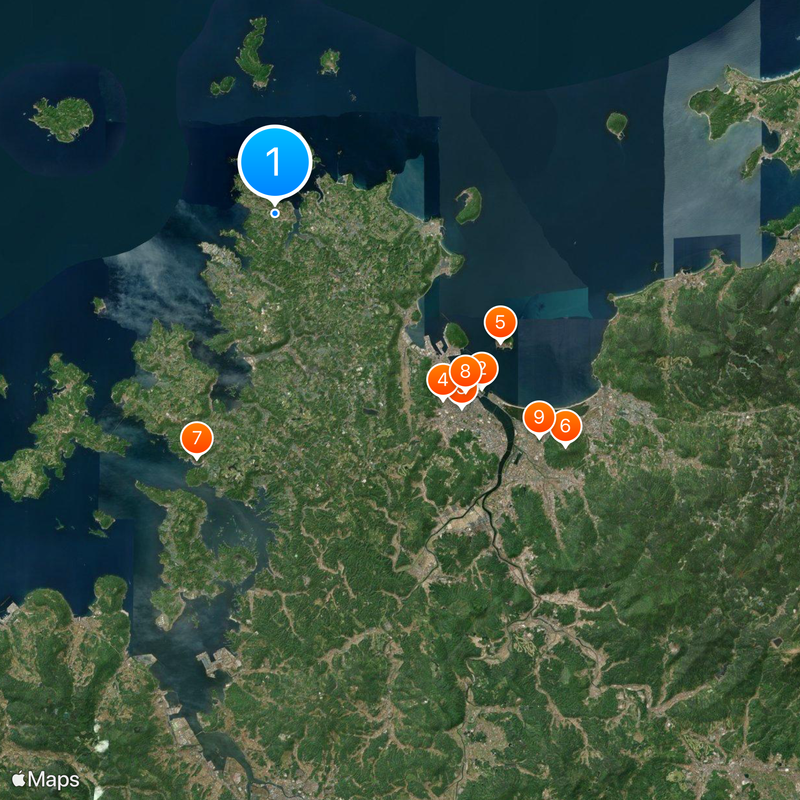
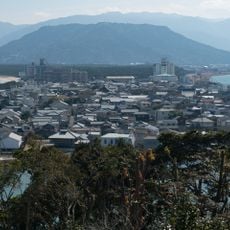
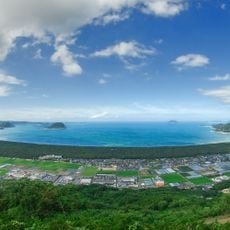
The remains occupy several hilltops on the Hatonosaki Peninsula in Saga Prefecture, showing stone walls, foundations, and traces of moats. The complex covers around 17 hectares and features multiple levels connected by stairways and pathways between the rises.
The fortification was built in 1591 under orders from Toyotomi Hideyoshi as a launching point for the planned invasion of Korea, with construction finished in a matter of months. After the campaign failed, the fortress fell into disuse, and in 1638 authorities ordered the dismantling of the five-story main tower.
The Japanese name translates literally to a forward staging camp, pointing to its function as a place to gather troops and supplies for overseas campaigns. Within the compound walls, builders organized separate residential quarters for generals, allowing each commander to lodge with his own retinue inside the fortified hillsides.
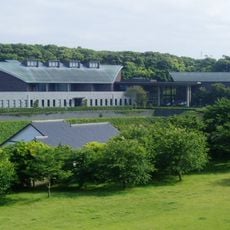
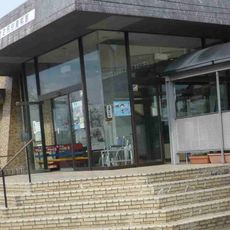
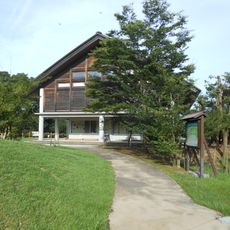
Walking through the hilltop complex involves climbing several levels and requires a bit of stamina on the stairways. A museum displaying excavation finds is open daily and free of charge for visitors.
Archaeologists uncovered ceramic fragments from Korea and China during excavations, indicating active trade during the construction period. The pine forest planted on the hillsides in the 17th century served to hide the ruins from view and discourage any military reuse.
The community of curious travelers
AroundUs brings together thousands of curated places, local tips, and hidden gems, enriched daily by 91,805 contributors worldwide.