Jōshō-ji, Buddhist temple in Sabae, Japan
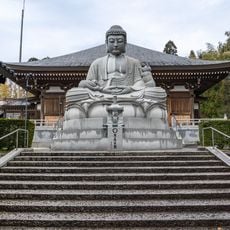
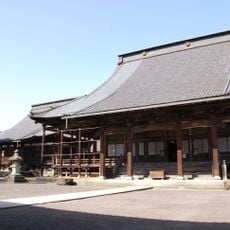
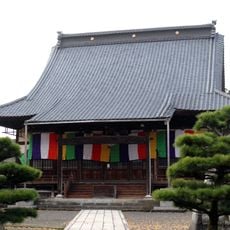
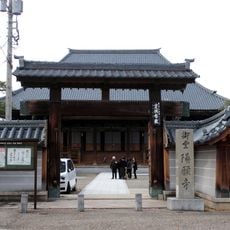
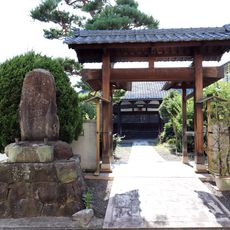
Jōshō-ji is the head temple of the Jōshō-ji branch of True Pure Land Buddhism in Sabae, Fukui Prefecture. Its mountain name is Uwano-san and its cloister name is Kuhon-in; the main image is Amida Buddha. The grounds contain the Miei Hall, the Amida Hall, a four-legged gate, and a bell tower with a bronze bell.
Jōshō-ji traces its origin to 1208, when Shinran first preached at the residence of Hatano Kagenoyu. Moved to its present site under the name Shinjō-ji, it took its current name during the Eikyō era (1429–1441). Shibata Katsuie's protection after 1575 was followed by destruction in war and later rebuilding; in 1878 it became head temple of its own Shinshū branch.
Jōshō-ji is the head temple of the Shinshū Jōshō-ji school, founded in 1208 when Shinran first preached at the residence of Hatano Kageyuki. The temple was called Shinjō-ji before taking its present name during the Eikyō era (1429–1441). Its name is written 誠照寺, not 常照寺.
The temple is within walking distance of Sabae Station and easy to find on foot. An early morning visit tends to give a better sense of daily life at the site, as that is when activity is most noticeable.
Jōshō-ji's full name is Uwano-san Kubon-in Jōshō-ji, and it is the head temple of the Jōshō-ji branch of the True Pure Land school, not a Zen temple. Its principal image is Amida Nyorai. The temple's bell, a designated city cultural property, is called Kōshō, and the temple also keeps a paper scroll in gold and colours showing sun, moon, pine and maple.
The community of curious travelers
AroundUs brings together thousands of curated places, local tips, and hidden gems, enriched daily by 93,467 contributors worldwide.