豊玉姫神社, Shinto shrine in Japan
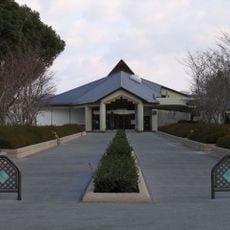
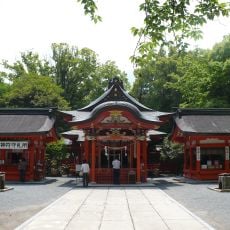
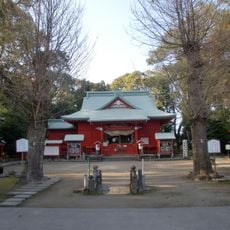
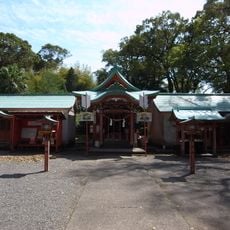
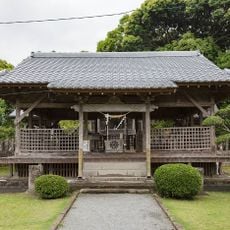
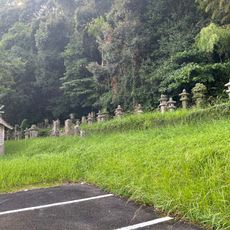
Toyotamahime Shrine is a Shinto sanctuary in Chiran featuring a traditional East Asian roof style with gently sloping hip-and-gable lines. The wooden structure sits within grounds dotted with older stone elements and surrounded by trees that create a serene setting.
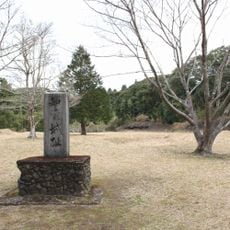
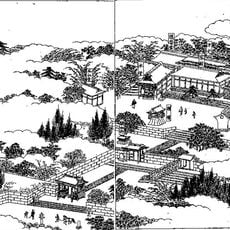
The founding date is unknown; tradition holds that a shrine was built at the site of Toyotamahime's palace near Kamegashi Castle, around today's Chiran samurai gardens. The hall burned in the Tenshō era, and in 1610 lord Shimazu Tadamitsu donated the present site about 1.5 km west. In 1324 it was under Kaigami Shrine and held 9 chō 7 tan of its land; it became a prefectural shrine in 1941.
The shrine's name changed with its allegiance: it was called Kaikō Chūgū Daimyōjin in 1324, Chūgū Sanjo Daimyōjin in 1387, and took its present name in 1870. Its kannushi is said to descend from a servant of Toyotamahime. The shrine keeps 30 kagura masks and votive plaques donated by successive lords of Chiran.
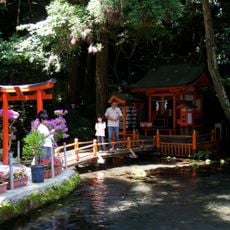
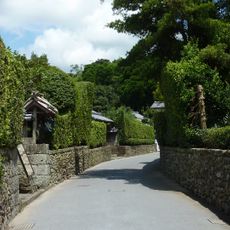
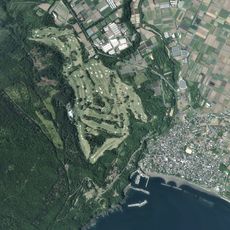
The shrine stands about 1.5 km east of the former site of Kamekō Castle, in the Kōri district of Chiran-chō; the grounds lie near the Chiran samurai residence gardens. The water-wheel puppet stage is set up in the small stream flowing in front of the shrine during the July Rokkagō festival.
The shrine features a working water wheel mechanism that powers mechanical puppet figures during the annual festival in July. This traditional technique performs historical stories and represents a rare example of the region's historic craftsmanship.
The community of curious travelers
AroundUs brings together thousands of curated places, local tips, and hidden gems, enriched daily by 93,569 contributors worldwide.