Tsutsujigasaki Castle, Fortified residence in Kofu, Japan
Tsutsujigasaki Castle is a former fortified residence in Kofu, built on a rectangular site about 200 meters east-west and 190 meters north-south, enclosed by outer, inner, and dry moats. Its central enclosure is divided by stone walls into eastern, middle, and western compounds, with the eastern compound used for government, the middle for the lord's daily living, and the western for his family. A scale model shows white-walled buildings with tan hipped and gabled roofs, separated by pale paths and marked by small red-and-white banners.
Takeda Nobutora founded the residence in 1519 and made it the power center of his family for three generations. After the fall against Oda Nobunaga in 1582, the compound lost its military role and eventually became a historical site.
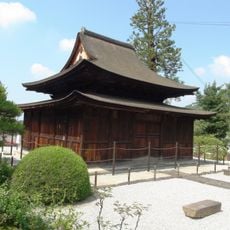
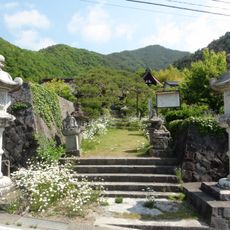
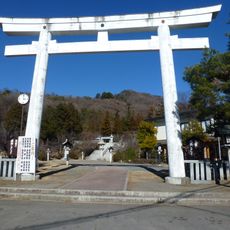
The name comes from the azaleas (tsutsuji) that grew on this slope. The residence was also called Fuchu, and its site became the Takeda Shrine in 1919. Two wells said to stand in their original places survive; one, the "Hime no Ido", is said to have supplied water for the bath of Shingen's newborn son.
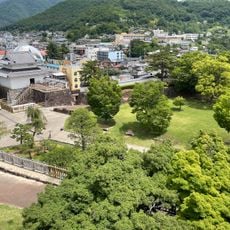
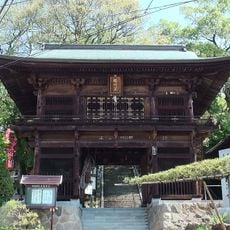
A bus from Kofu Station brings visitors to the site in about 15 minutes, which now includes both historical ruins and a shrine. The water moats and stone walls are best viewed during a walk around the outer sections.
The compound was the largest residential complex in eastern Japan during the Sengoku period and still shows preserved stone structures. The water moats remain filled today and give a sense of how the original defense system worked.
The community of curious travelers
AroundUs brings together thousands of curated places, local tips, and hidden gems, enriched daily by 93,336 contributors worldwide.