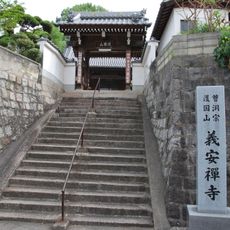
Kakuma Shrine, Shinto shrine in Japan
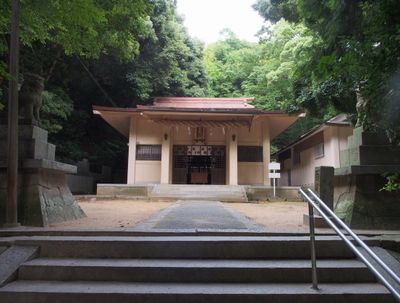
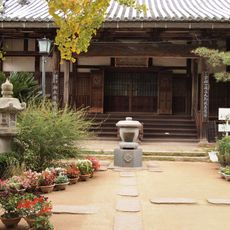
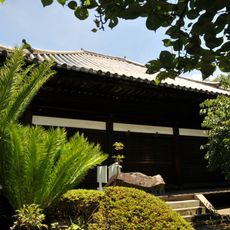
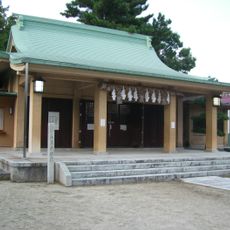
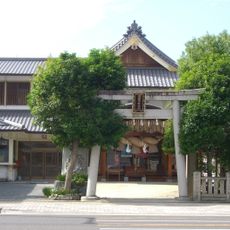
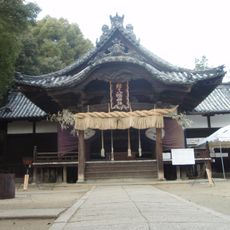
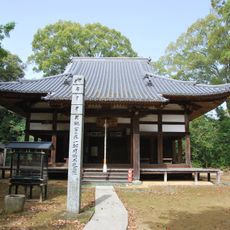
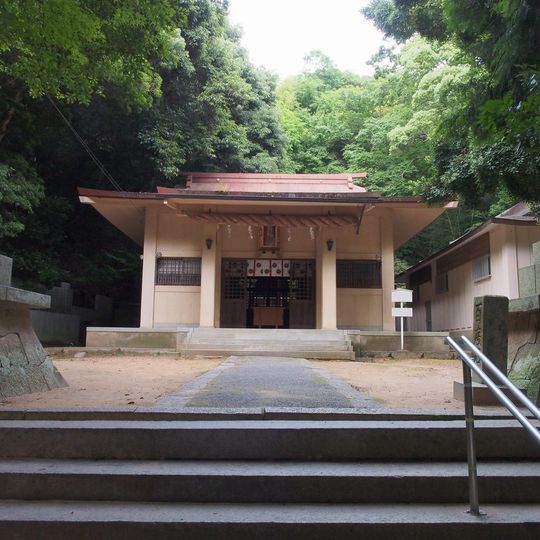
Kakuma Shrine is a Shinto shrine built in the nagare-zukuri style, featuring a roof that slopes gently on one side to create a sheltered entrance area. The building stands on a raised platform with a veranda and is supported by carefully selected wooden pillars that reflect traditional craftsmanship.
Founded in the Jōgan era (859–877) as a branch of Kyoto's Iwashimizu Hachimangū, the shrine was patronized by the Kōno clan. In 1590 it merged with three nearby shrines. In 1600, during the Battle of Sekigahara, Mōri forces burned it; Kato Yoshiaki rebuilt it on its present site in 1601 as part of Matsuyama's eight-shrine Hachiman network.
The shrine is dedicated to Hachiman, a revered spirit in Japanese tradition believed to protect the country and its people. Visitors come to pray, leave small offerings, and connect with local spiritual practices that are woven into everyday life in Matsuyama.
The shrine is located in the Yamagoe area of Matsuyama and is typically open during daylight hours for visitors to explore at their own pace. Entry is free, and visitors should allow time to walk slowly through the grounds and enjoy the calm surroundings.
The shrine's name, Kakuma, is written with characters meaning "returning bear". It is the seventh of the eight Matsuyama Hachiman shrines, and its crest is the hidari-mitsudomoe. The grounds also hold a small auxiliary shrine to Kanayamahiko, a deity of metalworking.
The community of curious travelers
AroundUs brings together thousands of curated places, local tips, and hidden gems, enriched daily by 95,423 contributors worldwide.