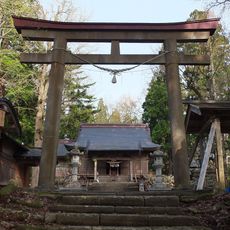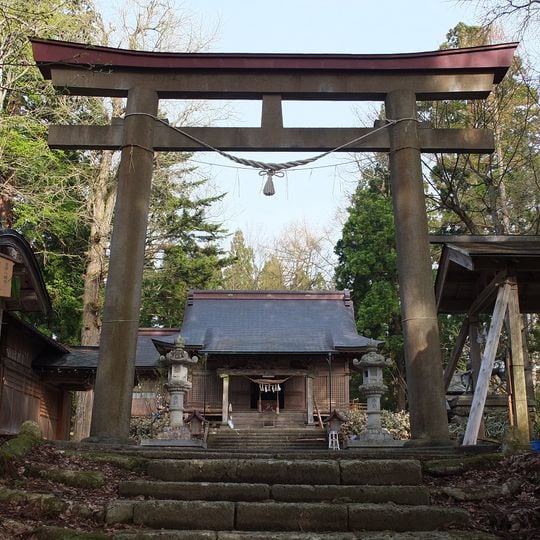
Kanezawa-hachimangū, Shinto shrine in Japan
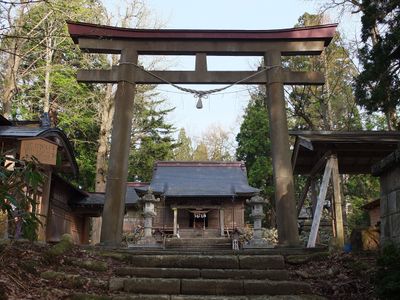
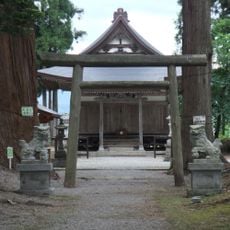
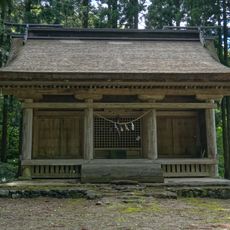
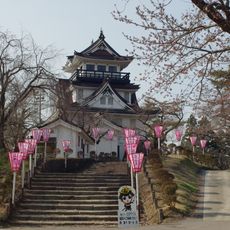
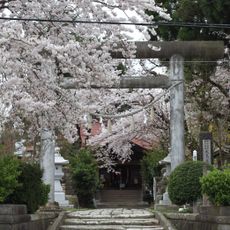
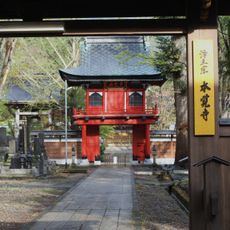
Kanezawa-hachimangū is a Shinto shrine in Yokote built with simple wooden structures surrounded by well-maintained grounds. The shrine was rebuilt in 1604 and retains its traditional appearance with clean pathways and modest architectural features that reflect its historic origins.
The shrine was rebuilt in 1604, marking its connection to the early Edo period of local history. The reconstruction was celebrated with gatherings and songs that marked the beginning of the singing tradition that continues to define the community today.
The shrine hosts a distinctive singing tradition held every year before its main festival, where villagers gather to perform improvised songs about cultural and contemporary topics. This communal practice keeps the local heritage alive through spontaneous expression and shared storytelling.
Visit during weekdays to experience the shrine in a quieter state with fewer crowds and more room to explore. To witness the celebrated singing tradition, plan your visit for September when the festival gathering takes place the night before the main event.
The singing tradition here is linked to two different origin stories: one claims it began with the 1604 reconstruction, while another connects it to nighttime ritual singing where sake was shared. Both versions reveal how local traditions retain meaning through multiple narratives.
The community of curious travelers
AroundUs brings together thousands of curated places, local tips, and hidden gems, enriched daily by 91,097 contributors worldwide.