Kiji Bridge, Road bridge in Chiyoda-ku, Japan.
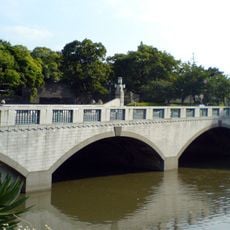
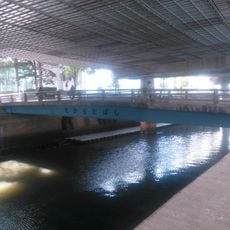
Kiji Bridge crosses the Nihonbashi River, connecting different sections of Chiyoda-ku with a modern design featuring steel and concrete. The structure spans the water to link areas that would otherwise require alternative routes through the neighborhood.
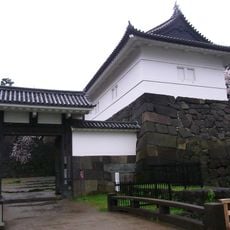
The name comes from Kanda Kijimachi, a district granted to residents outside the gate in the Genna era. In 1629, during Edo Castle's reconstruction, Matsudaira Naoyoshi built the Kijibashi Gate here. From the Edo period to the early Meiji era, stables and a horse office stood outside the gate; in 1792 butter was made from milk of cattle from Mineoka Ranch, and in 1793 Daikokuya Kodayu and Isokichi were temporarily kept there after returning from Russia. The gate was removed in 1873, and the current steel arch bridge was rebuilt 100 m downstream on 3 November 1925 after the 1923 Great Kanto Earthquake.
The name Kiji, meaning pheasant, comes from Kanda Kiji-chō, the district outside the former Kiji-bashi gate where Edo Castle residents were relocated during the Genna era. The neighbourhood name was later applied to the bridge over the Nihonbashi River, so the bird reference survives in the address rather than in any pheasant kept there.
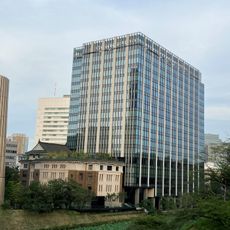
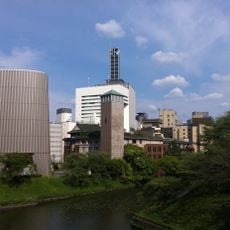
Kiji Bridge carries Kiji-bashi-dori over the Nihonbashi River between Kudan-minami 1-chome and Hitotsubashi 1-chome and 2-chome. The bridge is covered by the Takebashi Junction of the Shuto Expressway; Takebashi Station lies on the east side, and Kyoritsu Women's University stands at the north end. Walking south from the bridge leads to the Shimizu moat of the Imperial Palace.
The bridge was designated a Chiyoda City important landscape asset on 28 March 2007. Since 1967 it has stood beneath the Takebashi Junction of the Shuto Expressway's Ikebukuro Line, so drivers pass overhead without seeing it.
The community of curious travelers
AroundUs brings together thousands of curated places, local tips, and hidden gems, enriched daily by 93,603 contributors worldwide.