Ryūkaku-ji, Buddhist temple in Sakae, Japan
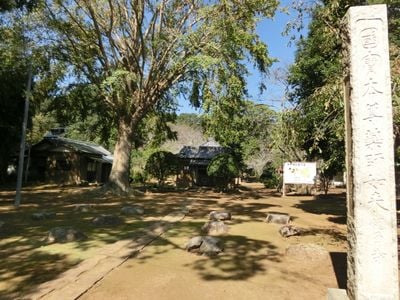
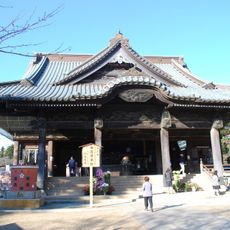
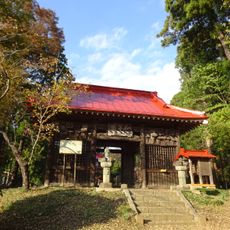
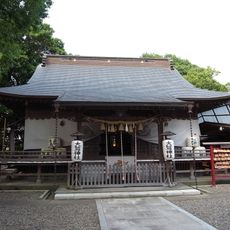
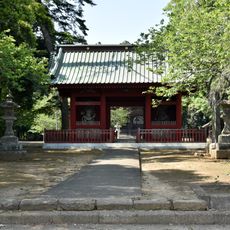
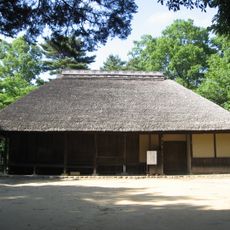
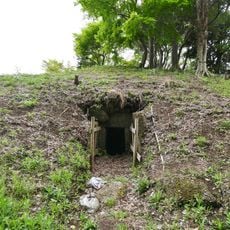
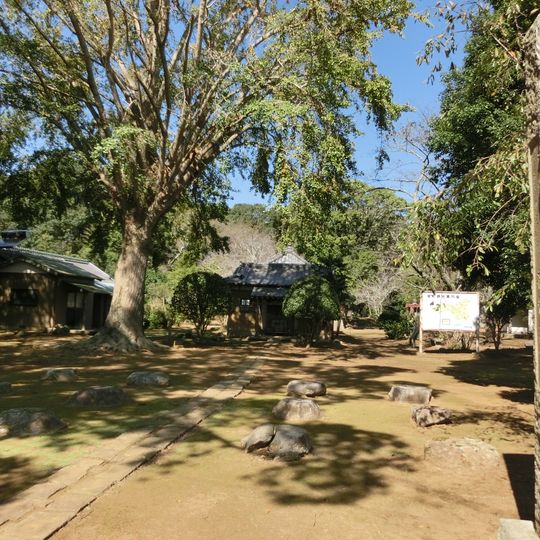
Ryūkaku-ji is a Buddhist temple on a low plateau near Lake Inbanuma in Chiba Prefecture, Japan. The grounds include a main hall housing a bronze statue of Yakushi Nyōrai, an old south gate, and foundation stones with ancient roof tiles scattered across the site.
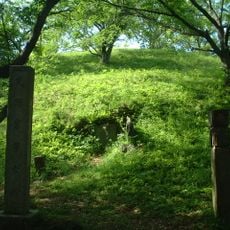
The temple was founded in 709, during the reign of Empress Genmei, making it one of the oldest religious sites in eastern Japan. In 1933, it was designated a National Historic Site, which brought formal attention to what the ground itself still shows: layers of construction from multiple centuries.
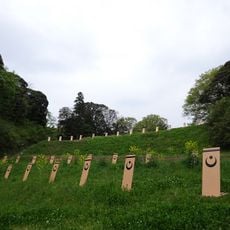
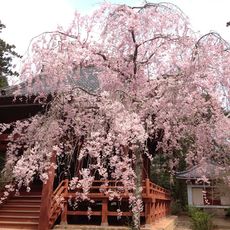
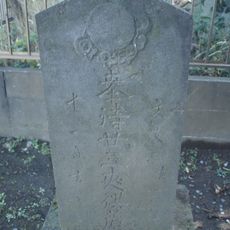
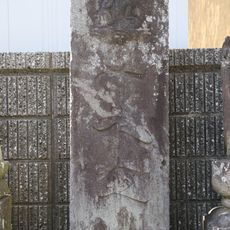
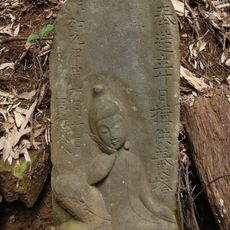
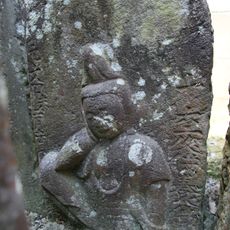
Ryūkaku-ji belongs to the Tendai school of Buddhism, and the grounds show signs of continuous religious use: offerings, maintained altars, and stone markers placed across the site. The name itself, meaning 'Dragon Horns Temple', reflects an old legend tied to this specific place.
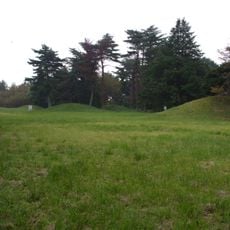
The grounds are open to walk through freely, though some sections have uneven terrain where ancient remains are visible underfoot. Visiting on a weekday tends to be quieter, which makes it easier to move around the older sections of the site at your own pace.
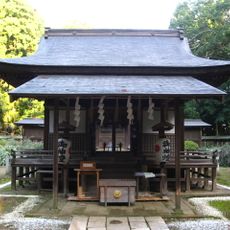
Local records from 731 describe a dragon splitting into three separate beings during a drought, each said to have settled in a different part of the grounds. This legend is thought to explain why the site is laid out across distinct zones, each with its own shrine structure.
The community of curious travelers
AroundUs brings together thousands of curated places, local tips, and hidden gems, enriched daily by 60,000 contributors worldwide.