Ryūgakuji Kofun Cluster, Ancient burial mound cluster in Narita, Japan
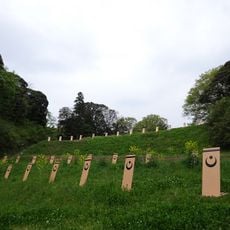
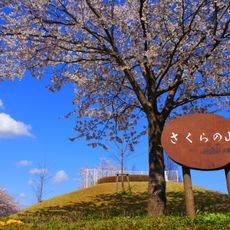
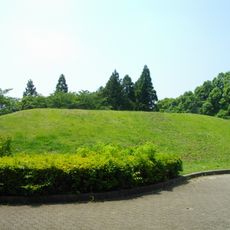
The Ryūgakuji Kofun Cluster is a group of 114 burial mounds on the Shimōsa Plateau in Sakae and Narita, Chiba Prefecture, about 30 meters above sea level. The mounds run in a band roughly 1.5 kilometers from northwest to southeast; 37 are keyhole-shaped, 6 square and 71 round, most small, with keyhole mounds 20–30 meters long and round mounds 10–20 meters across.
The cluster began in the second quarter of the 6th century with scallop-shaped Kofun No. 101, identified by its haniwa. In the 7th century the Sengenyama Kofun, a 78-meter keyhole mound, and the Iwaya Kofun, a 78-meter square mound, were built as the region's largest tombs. Ryūkaku-ji temple was founded to the north in the late 7th century. Iwaya Kofun was designated a National Historic Site in 1941, and 92 tumuli were added in 2009.
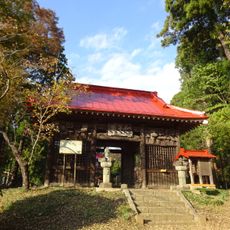
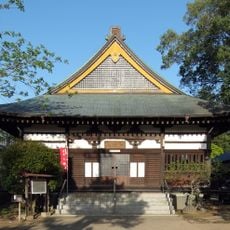
The name Ryūgakuji comes from Ryūkaku-ji, the Buddhist temple built just north of the mounds in the late 7th century. The same chiefly lineage that raised the kofun founded the temple and later served as district governors under the ritsuryō system. Haniwa of the Shimōsa type, found at 16 tumuli, are characteristic of the late 6th century.
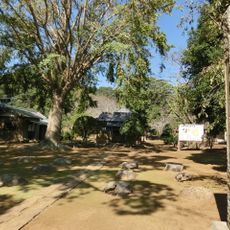
The grounds can be explored on foot with paths connecting the various mounds across the plateau. Plan for a leisurely walk since the burial mounds are scattered over a substantial area.
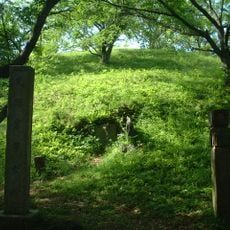
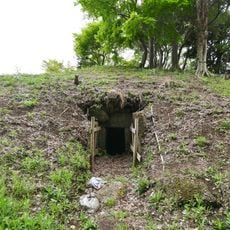
Iwaya Kofun, tumulus No. 105, is the largest in the cluster: a square mound about 78 meters on each side, built in three tiers to a height of 13 meters. Its two lateral stone chambers are made of soft limestone packed with fossilized shells, and a double moat encloses an area of 108 by 96 meters. The entrance has stood open since the Edo period, so no grave goods remain.
The community of curious travelers
AroundUs brings together thousands of curated places, local tips, and hidden gems, enriched daily by 93,048 contributors worldwide.