Wat Pak Nam Yipun, Thai Buddhist temple in Narita, Japan.
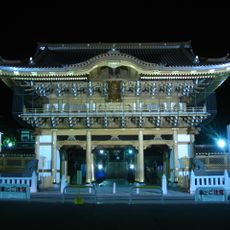
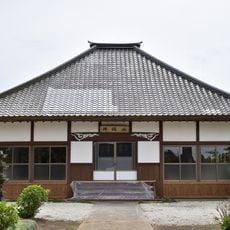
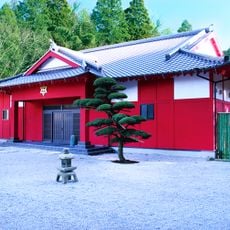
Wat Pak Nam Yipun is a Thai Buddhist temple in Narita, Chiba Prefecture, on the site of a former airport ground-handling company, whose dormitories and training buildings were converted into monks' quarters and a two-storey assembly hall. Its grounds mix five building types: Thai-style, modern, Japanese, Thai-Japanese hybrid and temporary structures. The most prominent is the ubosot, built in 2003 by carpenters invited from Thailand, with a blue roof, marble walls brought from Thailand and gold decoration; the vihara, a glass-fronted hall housing Buddha images, was completed in 2008.
Wat Pak Nam Yipun opened in 1998, when a Thai resident of Japan funded the purchase of land near Narita airport; the site's aviation-company buildings were converted into monks' quarters and a hall, and five monks moved in that year. The ubosot was completed in 2003, with the Thai ambassador, 105 Thai monks and over 3,000 Thais attending, and the wihan followed in 2008. The idea of a Japanese branch goes back to Luang Pu Sodh (1884–1959), abbot of Wat Pak Nam in Bangkok, who proposed it after a Japanese man was ordained there in 1957 but died before it could be realized.
The temple serves as a gathering place for Thai Buddhists living in Japan, where visitors can observe how meditation practices and religious rituals are performed throughout the year. People come here to maintain their spiritual traditions while living far from home.
The temple is at 294-1 Nakano, Narita, about 10 km from Narita International Airport; the nearest interchange is Shimosa on the Ken-O Expressway, and free parking is on site. By train, take a taxi about 30 minutes from Narita or Keisei-Narita Station. By bus, ride from Keisei-Narita Station to Yoshioka Shinden and walk about 4 km. Entry is free with no admission procedure; remove shoes in the ubosot and dress modestly.
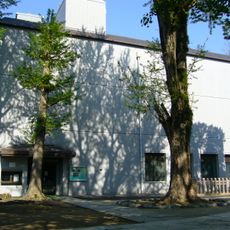
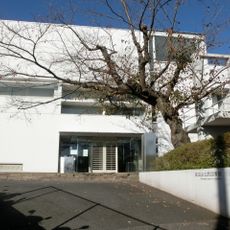
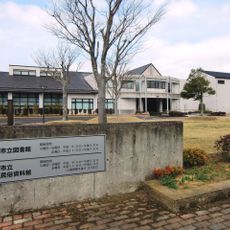
The temple stands on the former site of Nippon Airport Service, a ground-handling company at Narita airport; its dormitories and training buildings were converted into monks' quarters and a lecture hall, so the grounds still resemble a school campus.
The community of curious travelers
AroundUs brings together thousands of curated places, local tips, and hidden gems, enriched daily by 93,098 contributors worldwide.