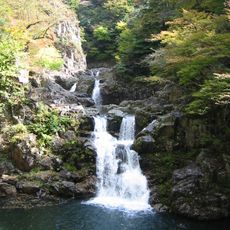
加計隅屋鉄山, Historic iron mine in Akiota, Japan
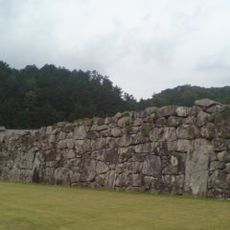
Kakesumiya Tetsuzan is an archaeological site in Akiota, Hiroshima Prefecture, Japan, where the remains of an early 19th-century iron smelting operation have been preserved. The site includes furnaces, workshop areas, and a network of water channels cut into the mountainside to supply the production process.
The site was developed and managed by the Sasaki family, who built it into the largest iron smelting operation in western Japan during the early 19th century. Production eventually stopped when industrial methods replaced the traditional techniques used here.
The remains of the workshops and water channels show how closely daily life in nearby villages was tied to the iron trade during the Edo period. Workers, craftsmen, and suppliers all gathered around the operation, shaping the local community for generations.
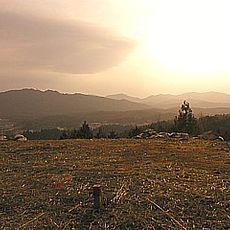
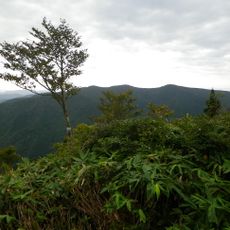
The site is set in a mountainous area where paths between the remains are rocky and uneven, so sturdy footwear is a good idea. The remains are spread across a wide area, so it helps to allow plenty of time to move between them.
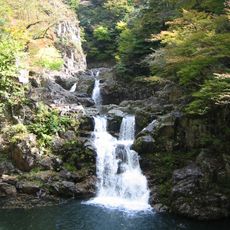
The water channels on the site were designed to serve two separate purposes at once: cooling and powering mechanical parts of the furnace. This dual use shows a level of planning that goes beyond what most visitors expect to find at a traditional iron site.
The community of curious travelers
AroundUs brings together thousands of curated places, local tips, and hidden gems, enriched daily by 91,654 contributors worldwide.