Hiroshima Botanical Garden, Botanical garden in Saeki-ku, Hiroshima, Japan
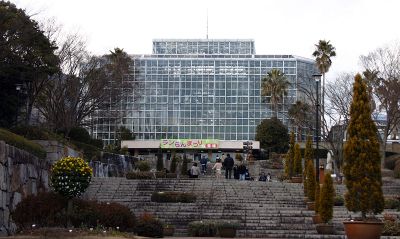
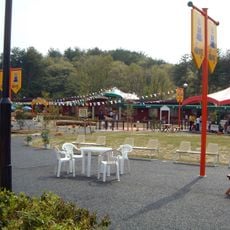
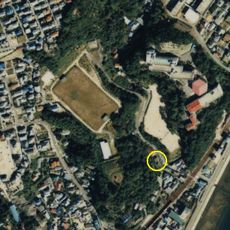
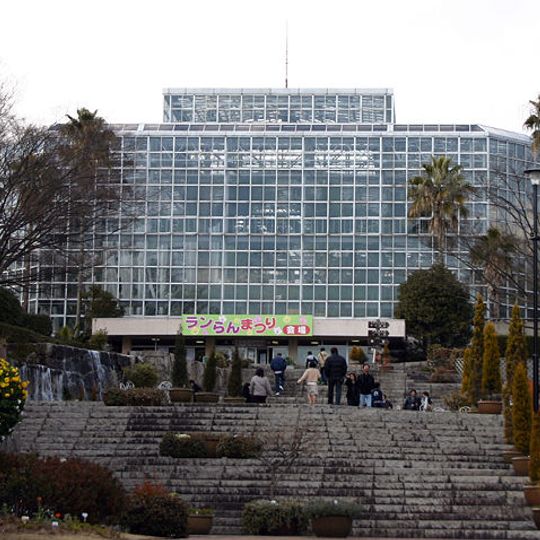
Hiroshima Botanical Garden covers 18.3 hectares of undulating terrain in Saeki-ku, facing the Seto Inland Sea. Its grounds hold about 234,000 plants of some 11,400 taxa, arranged in a phylogenic garden, rock garden, Japanese garden and camellia garden, alongside six greenhouses for tropical plants, water lilies, fuchsia, orchids, cacti and begonias.
The Hiroshima City Council voted to establish the garden in July 1972, when the planned site in Kuremitsu, Saeki-ku, still lay outside the city in Saeki District's Itsukaichi Town; the town assembly approved the out-of-district siting that December. The garden opened on 3 November 1976. Itsukaichi merged into Hiroshima in 1985, placing the garden within the city.
The garden holds Japanese classical horticultural plants, among them morning glory (asagao) and Japanese primrose, alongside exotic collections. Its grounds are divided into a Japanese garden, a camellia garden, a rock garden and a phylogenic garden, and more than 50 kinds of birds have been recorded there. Nature experience programmes are offered to students.
The garden is open from 9:00 to 16:30 and closes on Fridays, over the New Year holidays and on 6 August; when Friday falls on 6 August or a national holiday, it closes the day before instead. Reach it by Hiroshima Electric Railway bus from Hiroshima Bus Center or JR Itsukaichi Station and get off at the Shokubutsu Koen stop.
The garden's six greenhouses include one devoted to cacti and another to water lilies, alongside tropical and subtropical houses. More than 50 kinds of birds have been recorded on the grounds, so the garden is also a birdwatching spot on the hill above the Seto Inland Sea.
The community of curious travelers
AroundUs brings together thousands of curated places, local tips, and hidden gems, enriched daily by 93,537 contributors worldwide.