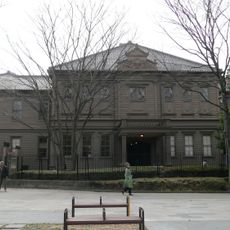
Kuromon, Nagayamon gate at Tokyo National Museum, Japan
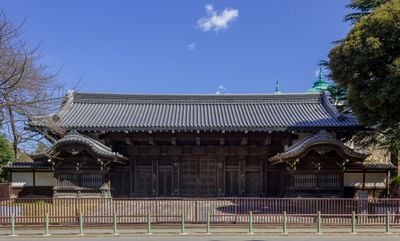
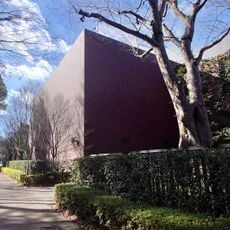
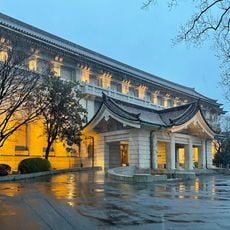
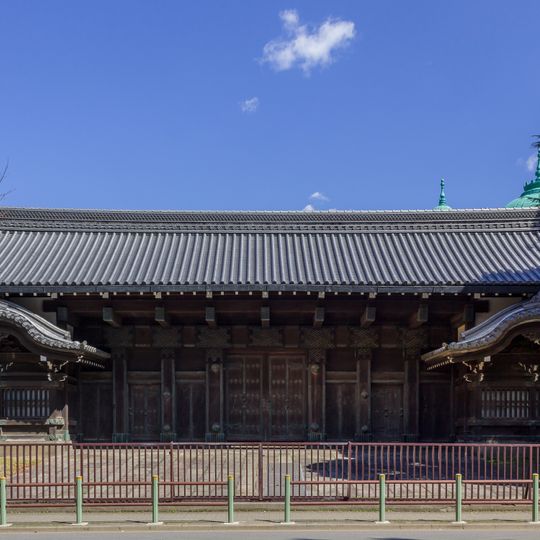
Kuromon is a nagayamon gate at Tokyo National Museum featuring a large hipped-gable roof with smaller karahafu roofs sheltering guard chambers on both sides. The structure uses thick wooden beams and shows the construction techniques employed for major buildings of the 18th century.
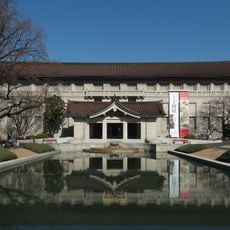
The gate was built during the late Edo period and originally stood at the Ikeda clan residence in Marunouchi before being relocated to Tokyo National Museum in 1954. The relocation preserved a rare example of daimyo architecture from disappearing.
The gate displays traditional Japanese architectural forms that reflect its past role as an entrance to a daimyo's residence. It remains one of only two surviving gates from such mansions in Tokyo, showing how the nobility once organized their estates.
The gate is accessible to visitors on Saturdays, Sundays, and holidays from 10 AM to 4 PM within the museum grounds. Plan to spend time appreciating the exterior and noticing the details of its woodwork from your vantage point.
The gate earned its name Kuromon, meaning black gate, from the dark wood used in its construction during the late 18th century. This dark appearance remains one of its most recognizable features when you encounter it at the museum.
The community of curious travelers
AroundUs brings together thousands of curated places, local tips, and hidden gems, enriched daily by 91,375 contributors worldwide.