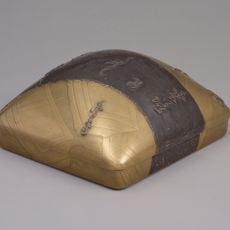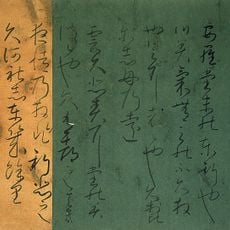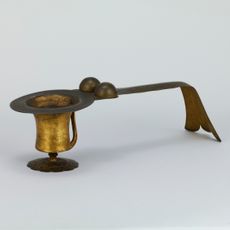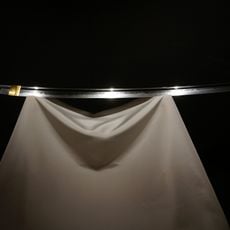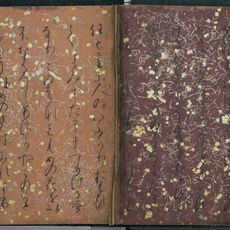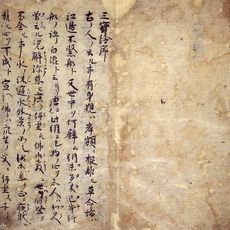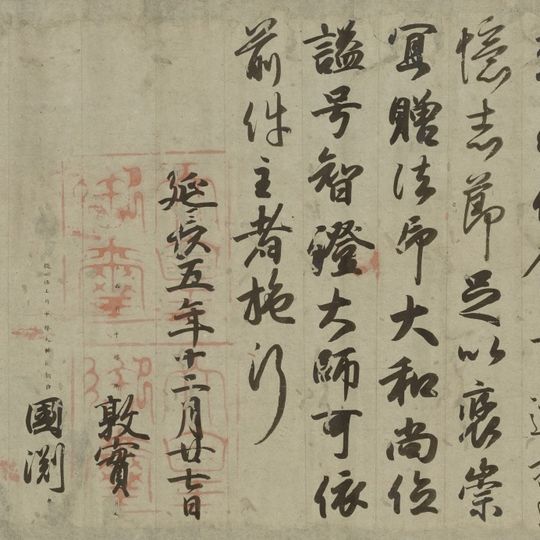
Imperial Decree Granting Ecclesiastical Rank of Hōin Daikashō and Posthumous Name Chishō Daishi to Daishi to Enchin, Imperial document collection at Tokyo National Museum, Japan
The Imperial Decree consists of official documents and manuscripts preserved at the Tokyo National Museum that record the formal recognition of a Buddhist master. The collection shows how the imperial court granted ecclesiastical ranks and awarded posthumous names to honored religious figures.
The document originates from 928 and records when the imperial court formally granted ecclesiastical titles and a posthumous name to a respected Buddhist master. It represents a moment when imperial authority extended into the recognition and legitimation of religious leaders.
The documents show how the Buddhist church and the imperial court worked closely together in early medieval times. They reveal how the state officially recognized religious leaders and gave them authority within society.
The documents are kept at the Tokyo National Museum in controlled storage conditions to protect them from damage. When viewing original manuscripts, handle them with care and follow all museum guidelines and instructions.
The manuscripts reveal the exact administrative steps required to officially recognize a Buddhist master in the imperial system. They provide rare insight into the bureaucratic processes of classical Japan that remain often overlooked by general visitors.
The community of curious travelers
AroundUs brings together thousands of curated places, local tips, and hidden gems, enriched daily by 91,817 contributors worldwide.