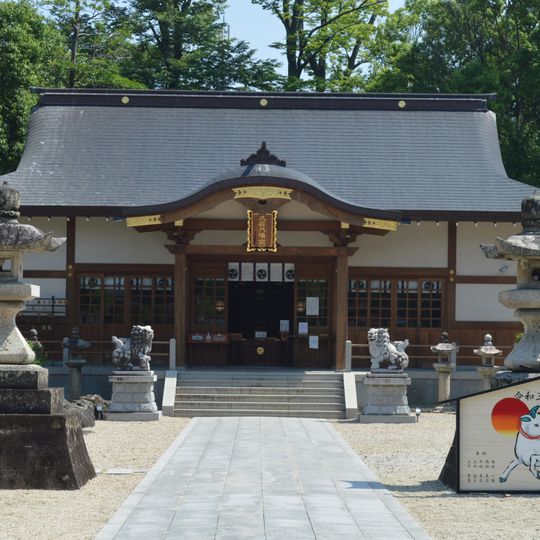
Nobeno Jinja, Shinto shrine in Japan
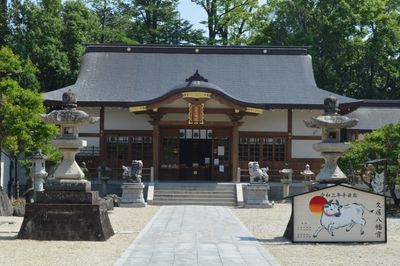
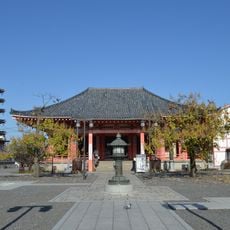
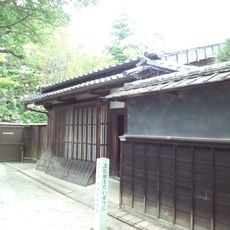
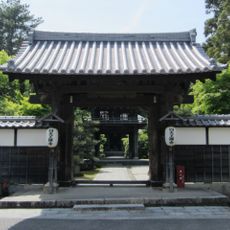
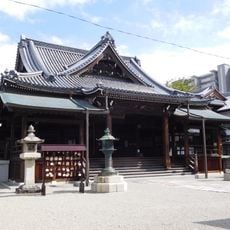
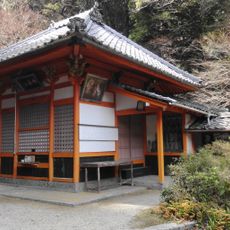
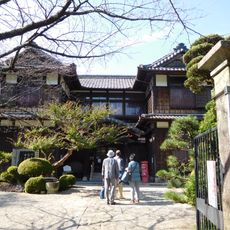
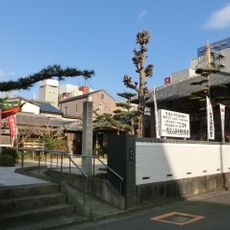
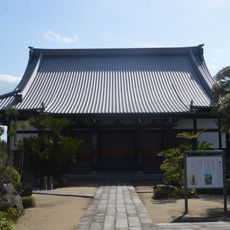
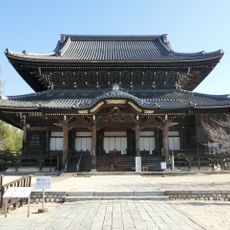
Nobeno Jinja is a Shinto shrine in Tsu featuring traditional wooden structures with white plaster walls and dark wooden beams arranged around a quiet altar space. The grounds are surrounded by trees and follow the classical shrine layout, with a Torii gate, sacred pathway, and main hall.
The shrine originated as Kuri Hachiman, a local guardian shrine for a nearby village, and was relocated to its current site in 1670 by feudal lord Tōdō Takamasa, where it became a prayer place for safety and fortune. In 1908, it received its present name and twelve smaller shrines were added to honor additional deities.
The shrine serves as a gathering place where the community prays to Hachiman, the protective deity of warriors, and hosts local festivals featuring traditional music and dances. These events reflect how the sanctuary remains woven into the daily life and identity of residents.
Visitors should rinse their hands at a water basin to purify themselves before approaching the main building and then bow respectfully while making their prayers. The shrine is open throughout the day and offers a quiet setting for reflection and connecting with tradition.
The shrine has been studied by Florian Wiltschko, an Austrian-born scholar who now serves as a priest there, demonstrating how ancient traditions are preserved by people from outside Japan. His presence shows that living shrines remain places where customs are passed down across generations and cultures.
The community of curious travelers
AroundUs brings together thousands of curated places, local tips, and hidden gems, enriched daily by 91,583 contributors worldwide.