Kōshōji Kofun, Keyhole-shaped burial mound in Fukuoka, Japan
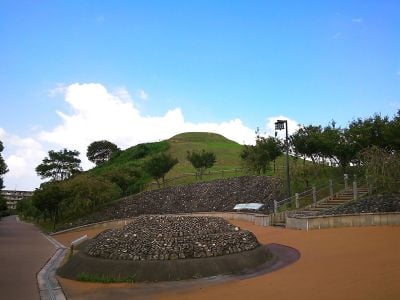
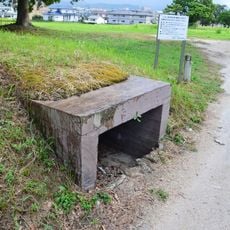
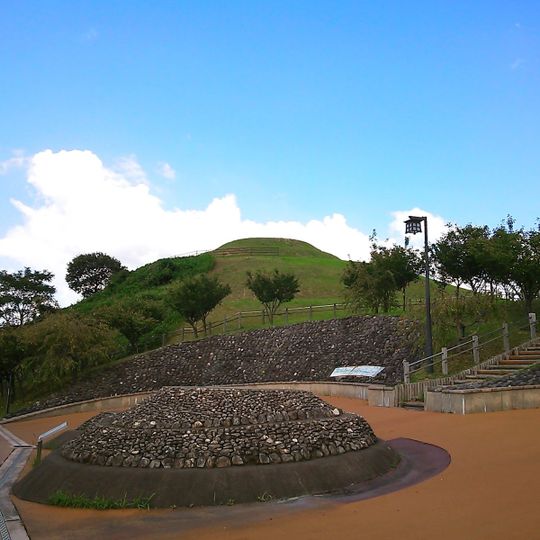
Kōshōji Kofun is a burial mound with a distinctive keyhole shape, consisting of a round rear section connected to a rectangular front portion that becomes clearly visible from above. The structure contains a stone chamber that held wooden coffins and burial goods, built following construction patterns typical of the Fukuoka region.
The mound was built during the Kofun period between the 3rd and 7th centuries, when powerful clans across Japan constructed these monuments to honor their leaders. This era saw burial practices evolve into elaborate earthen constructions that displayed the status and influence of the deceased.
The clay figurines that once ringed the mound reflected how communities honored their leaders through visible markers of respect and ceremony. These pieces served both practical and spiritual functions, transforming the burial site into a gathering place for remembrance.
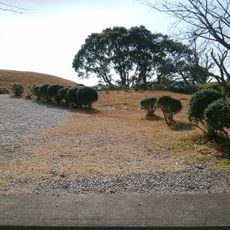
Visitors can observe the earthen mound structure from designated viewing areas, though interior access remains restricted due to preservation regulations. The best views of the distinctive keyhole shape are from the widest vantage point where the overall form becomes apparent.
The site lies in a region known for its variety of kofun monuments, offering visitors a rare window into burial traditions of the era. Proximity to other similar mounds makes this location significant for understanding how ancient Japanese society organized power and remembered its leadership.
The community of curious travelers
AroundUs brings together thousands of curated places, local tips, and hidden gems, enriched daily by 91,361 contributors worldwide.