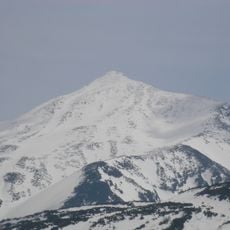
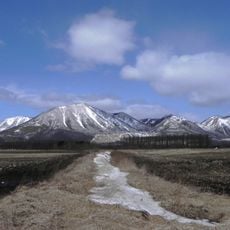
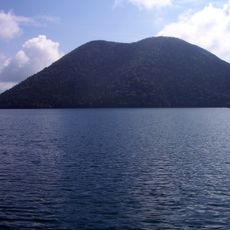
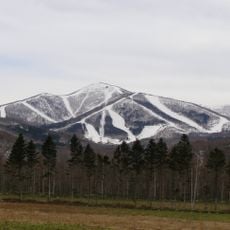
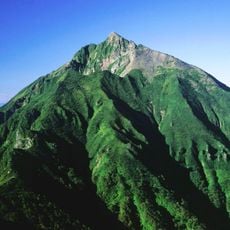
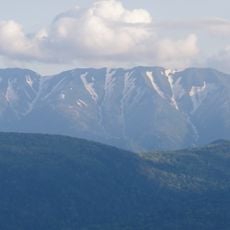
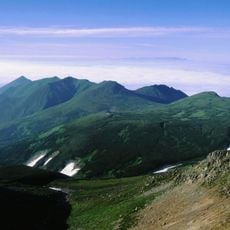
Mount Hakuun, Lava dome in Kamishihoro, Japan.
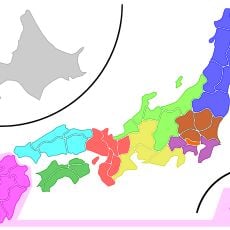
Mount Hakuun is a lava dome formation in the Ishikari Mountain range of Hokkaido, rising approximately 1 186 meters above sea level. It forms part of the Nipesotsu-Maruyama Volcanic Group and displays distinctive volcanic patterns throughout the surrounding rock formations.
Mount Hakuun formed during the Quaternary period through volcanic processes and contributed to the development of the Kurile volcanic arc. This geological history shaped the landscape of the mountain range over millions of years.
The name Hakuun comes from Japanese and means 'white clouds mountain', reflecting the cloud formations that frequently gather at the summit. On clear days, visitors can see why this poetic name became the local tradition.
Established hiking trails provide access to the mountain, with the ideal climbing season extending from late spring through early autumn. Visitors should prepare for changing weather conditions and varying elevation differences along the routes.
The geological structure displays a rare combination of volcanic and dome formations, leaving patterns in the rocks that are uncommon elsewhere. This unusual blend makes the area particularly interesting for those who study rock formations.
The community of curious travelers
AroundUs brings together thousands of curated places, local tips, and hidden gems, enriched daily by 90,868 contributors worldwide.