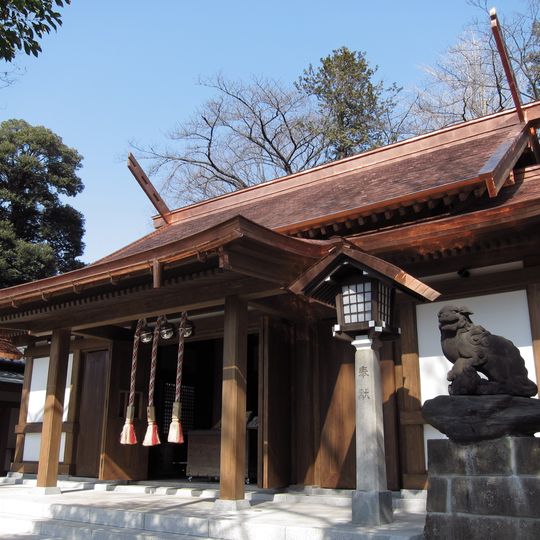
Daita-hachimangū, Shinto shrine in Japan
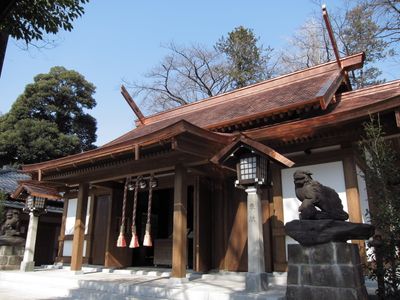
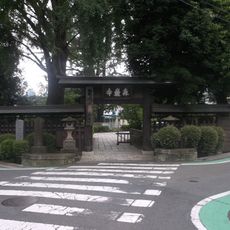
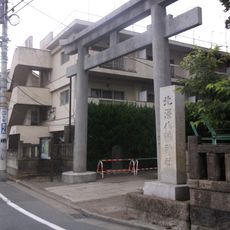
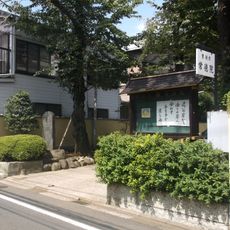
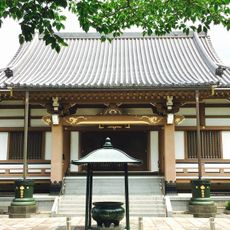
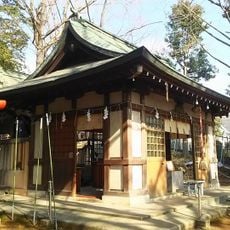
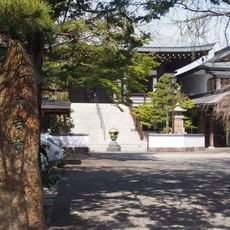
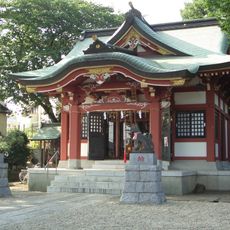
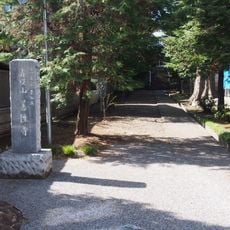
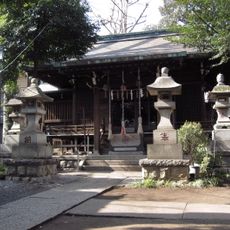
Daita-hachimangū is a Shinto shrine in Setagaya-ku, Tokyo, set among trees with simple wooden structures and stone features. The most distinctive element is the large granite torii gate built in 1785, which marks the entrance with traditional presence, while the grounds contain a main hall for offerings, smaller shrine buildings, and stone lanterns arranged throughout.
The shrine was founded over 400 years ago by retainers of the Hōjō clan after they lost control of nearby Odawara Castle and settled as farmers in the area. It sustained major damage from air raids during World War II but was carefully rebuilt afterward, with the main hall reconstructed in 1949.
The shrine is dedicated to the deity Ōjin-tennō, believed to bring protection and good fortune. Residents visit regularly to offer prayers for health, safety, and success, especially during seasonal festivals and annual celebrations that bring the community together.
The shrine is about five minutes on foot from Setagaya Daita Station and accessible by train or car, with parking available nearby. The quiet neighborhood with small shops and homes makes visiting convenient, and early mornings or late afternoons offer the most peaceful experience.
The shrine once hosted sumo matches to predict the quality of upcoming harvests, with large stones and rings used as part of these rituals and to test a person's strength. This agricultural tradition connected the sanctuary to the daily concerns of local farmers long before the modern era.
The community of curious travelers
AroundUs brings together thousands of curated places, local tips, and hidden gems, enriched daily by 90,761 contributors worldwide.