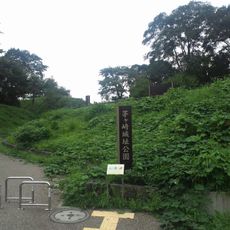
神隠丸山遺跡, Archaeological site in Kanagawa Prefecture, Japan.
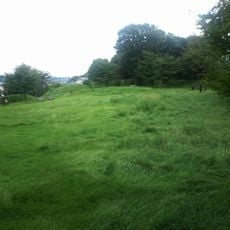
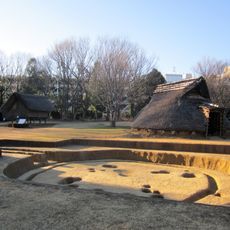
Kamikakushi Maruyama is an archaeological site containing remains from the 9th century. Excavations revealed multiple pillar-supported structures, pit features, and other architectural traces arranged within a square boundary.
The site was systematically excavated between 1978 and 1980 and dates to the mid-Heian period. This research helped establish understanding of ancient Japanese residential communities.
This site reveals how people arranged their homes during the Heian period and organized their living spaces. The structures provide insight into the residential patterns and building methods of that era.
The site is documented through Yokohama City's cultural heritage office with public information available. Visitors should check access conditions and whether guided information is offered before visiting.
The squared layout with organized boundaries reveals that residents deliberately structured and planned their land. This systematic spatial design differs from randomly scattered settlement patterns.
The community of curious travelers
AroundUs brings together thousands of curated places, local tips, and hidden gems, enriched daily by 60,000 contributors worldwide.