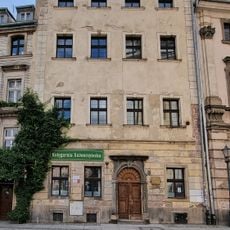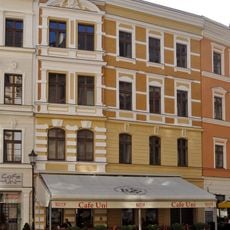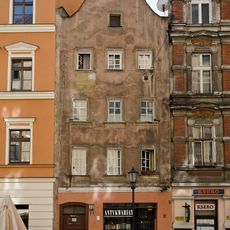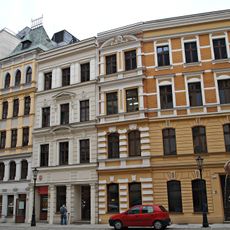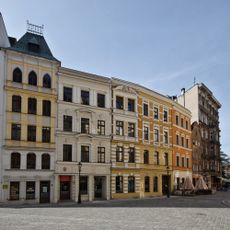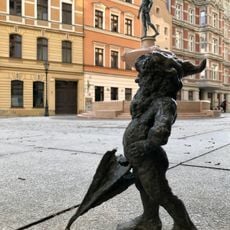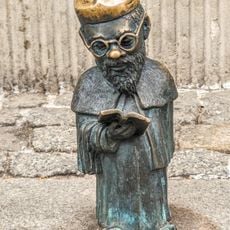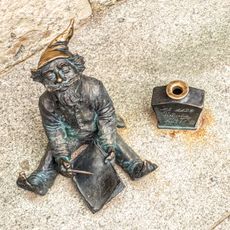
Museum of the University of Wrocław, Academic museum in central Wrocław, Poland.
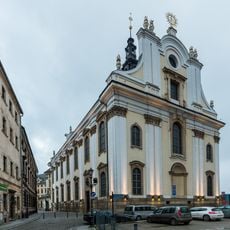
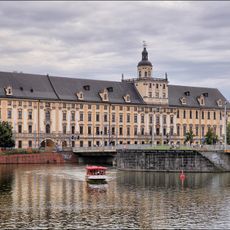
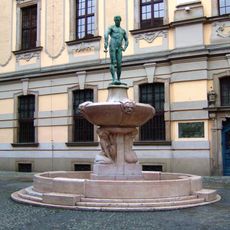
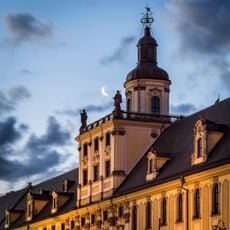
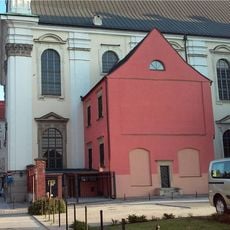
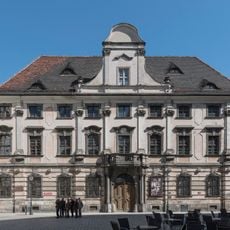
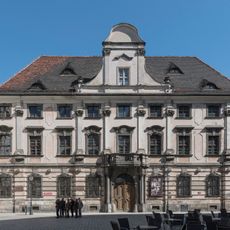
The Museum of the University of Wrocław occupies a Baroque structure with decorated facades and multiple exhibition rooms. The collection displays objects from different periods of the university's history and academic life.
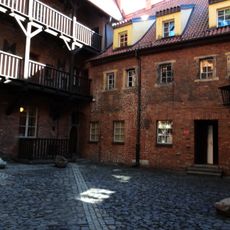
The museum was established on 6 August 1992, when the Museum Collection Department of the University of Wrocław Archives became an independent unit. Its 'House of Archaeologists' branch opened on 13 May 2005 at Koszarowa 3. The university itself was founded in 1811 after the secularisation of the Jesuit order, and the Oratorium Marianum, a chapel from 1728–1741, was then converted into a concert hall.
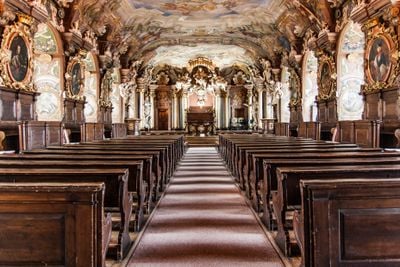
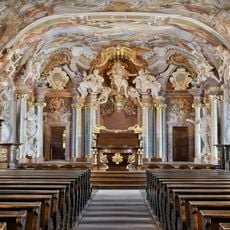
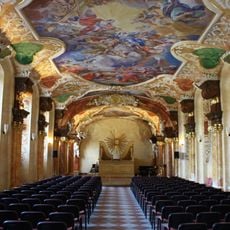
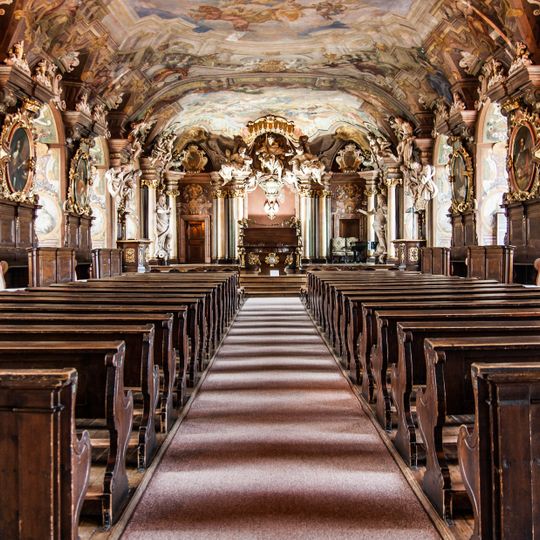
The Oratorium Marianum began as a Jesuit chapel (1728–1741) and became a concert hall after the university's founding in 1811. Its Baroque interior and furnishings match the richness of Aula Leopoldina. The Aula Leopoldina, the main building's largest hall, holds illusionist wall paintings by Johann Christoph Handke of Olomouc, with sculpture by Franz Mangoldt of Moravia and the Italian master Ignatius Provisore.
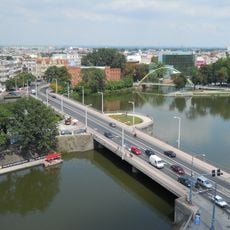
The museum occupies the university's main building at plac Uniwersytecki 1, on the Odra riverbank. The historic halls are inside the building rather than in a separate wing, so allow time to move between the Aula Leopoldina, the Oratorium Marianum and the Mathematical Tower. The tower's viewing terrace stands at 42 metres. Temporary archaeological exhibitions are shown at the separate "House of Archeologists" branch on the Koszarowa 3 campus.
The Mathematical Tower's viewing terrace stands 42 metres up, in the former Astronomical Observatory arranged in 1791 by the Jesuit professor Longinus Anton Jungnitz. Its first instrument was a meridian line traced on the tower room's floor, which visitors can still see.
The community of curious travelers
AroundUs brings together thousands of curated places, local tips, and hidden gems, enriched daily by 94,144 contributors worldwide.