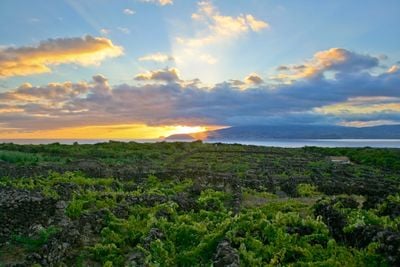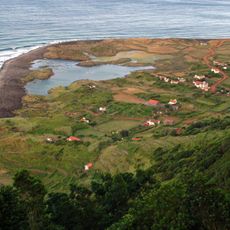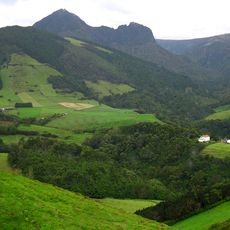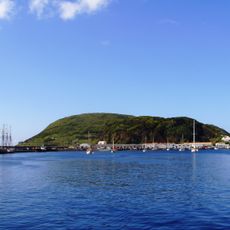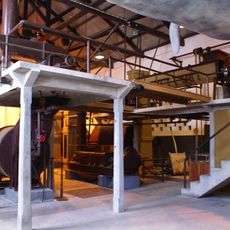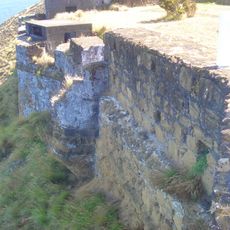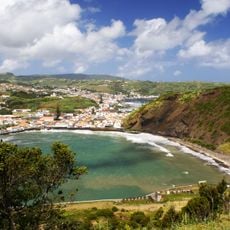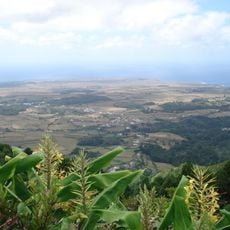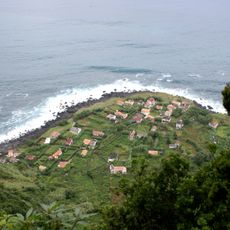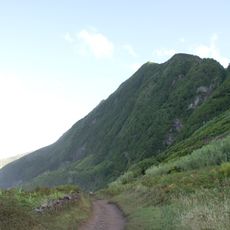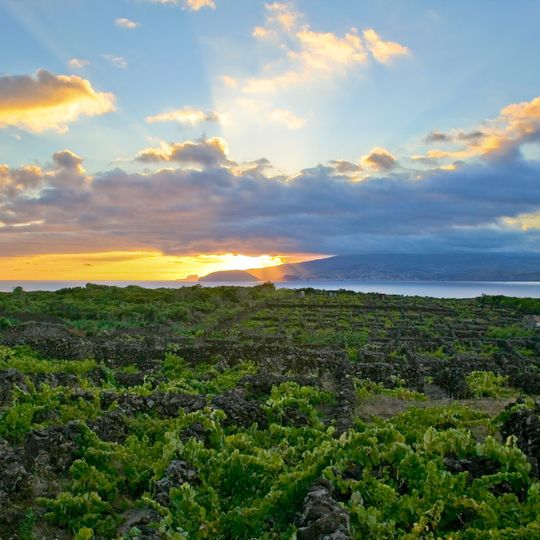
Landscape of the Pico Island Vineyard Culture, Protected vineyard landscape in Pico Island, Portugal
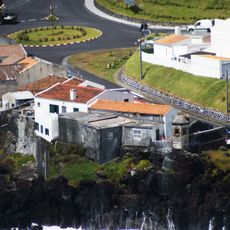
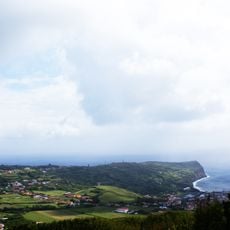
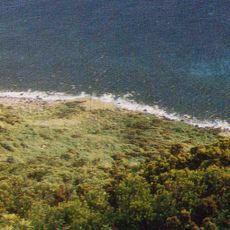
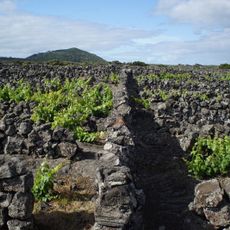
The Landscape of the Pico Island Vineyard Culture covers about 987 hectares along the coastline and features intricate patterns of black basalt stone walls. These walls divide the terrain into rectangular plots known locally as currais, creating a distinctive agricultural pattern across the island.
Franciscan friars started cultivating grapes on the island in the 15th century, introducing varieties from Mediterranean islands like Sicily and Crete. This early beginning established a winemaking tradition that continues to shape the island's identity today.
Winegrowers here maintain methods passed down through generations, adapted to the demands of volcanic terrain and coastal conditions. The distinctive black basalt walls that define each vineyard plot reflect a way of life deeply rooted in this island community.
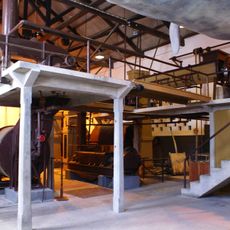
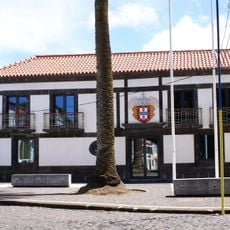
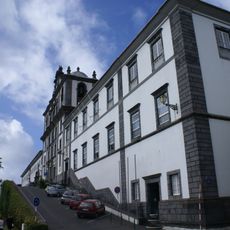
Walking or cycling through the vineyard plots is the best way to experience the landscape up close and understand how the terrain is organized. The Wine Museum in Madalena offers helpful context through exhibitions and traditional objects that explain the cultivation methods and local life.
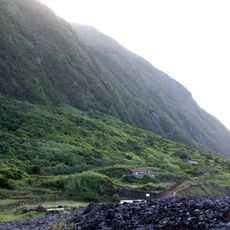
The grapes grow on volcanic soil at sea level, which gives them distinct mineral characteristics from the basalt rock beneath. This particular soil type combined with the island location creates wine qualities that are difficult to replicate elsewhere.
The community of curious travelers
AroundUs brings together thousands of curated places, local tips, and hidden gems, enriched daily by 60,000 contributors worldwide.