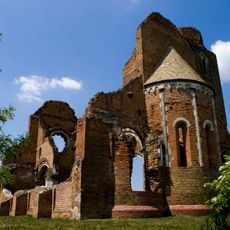
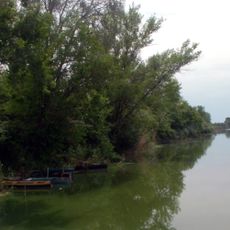
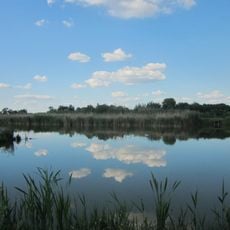
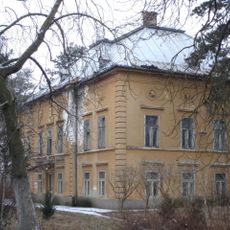
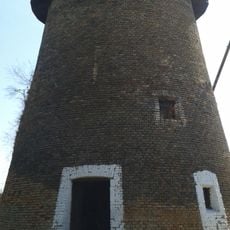
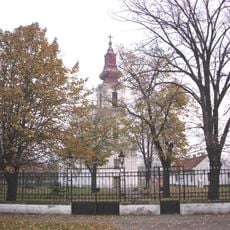
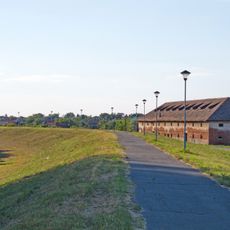
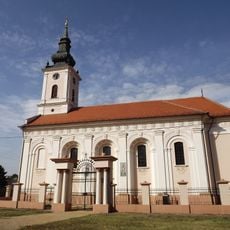
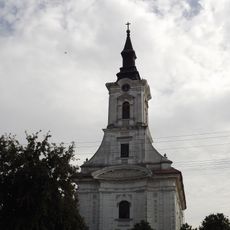
Šlajz, Lock structure in Bečej, Serbia.
Šlajz is a lock in Bečej that links waterways at different levels, allowing vessels to travel through the canal system in northern Serbia. The structure features chambers and gates that regulate water flow and enable boats to move between elevated sections.
The lock was built between 1895 and 1899 as part of the Great Bačka Canal, designed by the Hungarian engineer József Kiss and built between 1793 and 1801. It was planned by Gustave Eiffel's offices at the initiative of the Hungarian government, which moved the canal's junction with the Tisza north from Bačko Gradište. It is listed as a Cultural Monument of Exceptional Importance under number SK 1039.
The lock structure represents an important engineering landmark in the region, showcasing technical innovation from the early 1900s. Its recognition as a Cultural Monument reflects how locals view it as a symbol of industrial progress and regional identity.
The lock is no longer in operation; after World War II a new lock was built nearby and the old gates were sealed with concrete. The water level in the canal is now maintained by a concrete sluice gate at the mouth. The site can be viewed from the surrounding embankment.
The lock was designed by the offices of Gustave Eiffel, engaged at the initiative of the Hungarian government, which wanted to move the junction of the Great Bačka Canal and the Tisa north from Bačko Gradište. The site is now classed as a monument of technical culture.
The community of curious travelers
AroundUs brings together thousands of curated places, local tips, and hidden gems, enriched daily by 94,524 contributors worldwide.