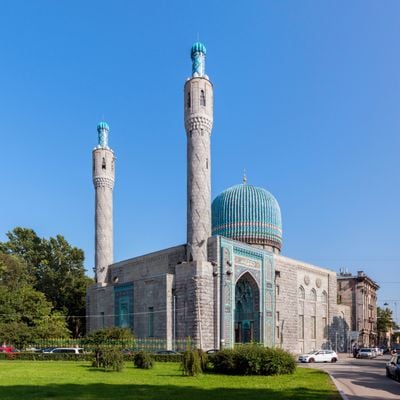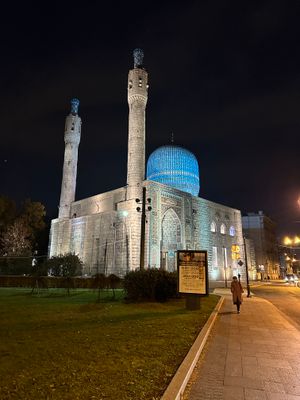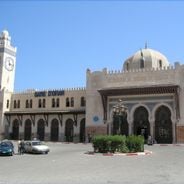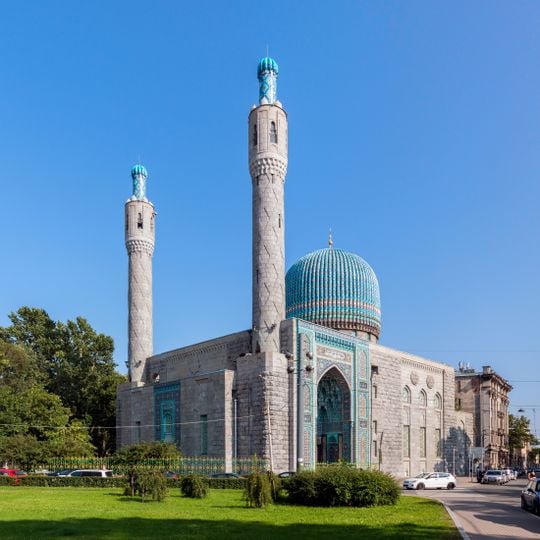
Saint Petersburg Mosque, Main mosque in Saint Petersburg, Russia.
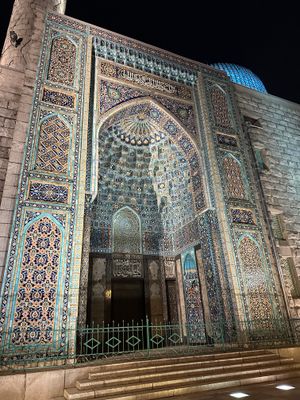
The domed mosque features blue and green ceramic tiles, two 49-meter minarets, and a national Romantic architectural style following Islamic traditions.
The construction of the mosque began in 1910 under architect Nikolai Vasilyev, with its official opening taking place in February 1913.
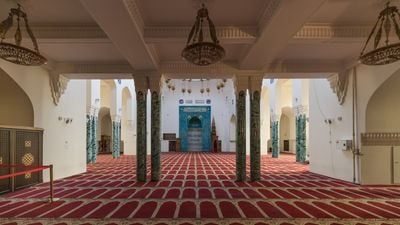
The mosque serves as a central religious institution for Saint Petersburg Muslims, accommodating 5,000 worshippers during prayer times and religious celebrations.
Visitors must remove shoes before entering the prayer halls and women need to cover their heads with scarves when exploring the mosque.
The mosque walls display Arabic calligraphy mixed with traditional Russian decorative elements, creating a distinctive fusion of artistic styles.
Location: Saint Petersburg
Inception: 1921
Architects: Nikolai Vasilyevich Vasilyev
Official opening: 1913
Architectural style: national Romantic style
Capacity: 5000
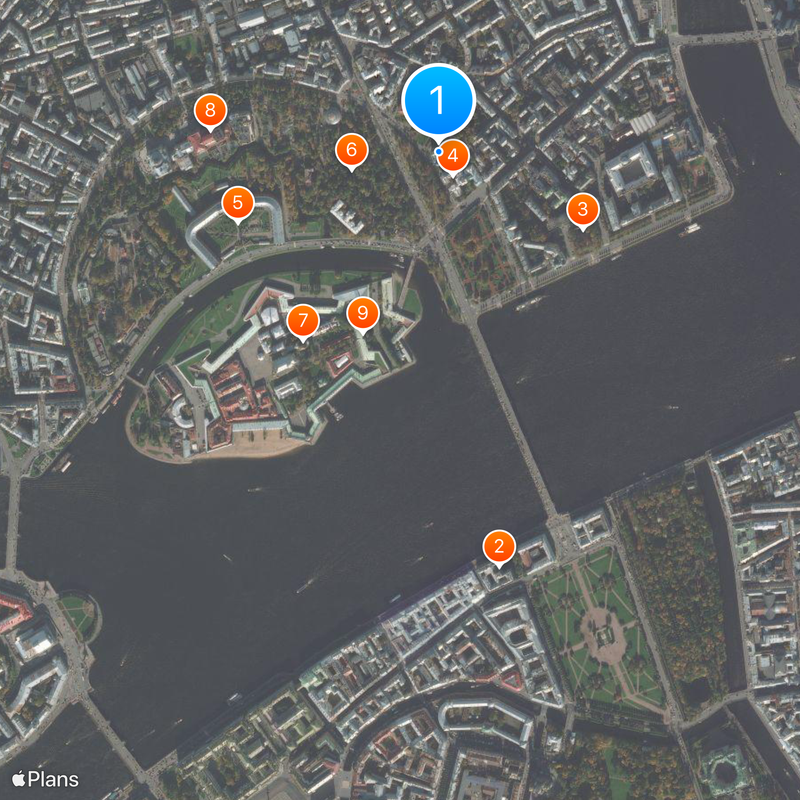
GPS coordinates: 59.95517,30.32389
Latest update: May 26, 2025 20:51
The neo-Moorish architecture developed in the 19th and early 20th centuries, driven by European interest in oriental forms. This architectural movement combines Western building elements with Moorish decorative motifs: horseshoe arches, carved arabesques, geometric mosaics, and ornate stuccoes. This stylistic synthesis appears in a variety of structures, from places of worship to private residences, theaters, and city fortifications. The collection gathers representative examples from across Europe and beyond. In Marseille, the Alcazar Grand Theatre has displayed a façade decorated with oriental patterns since 1857. The Great Synagogue of Brussels, inaugurated in 1878, demonstrates the adoption of this style in Belgian religious architecture. In Germany, Drachenburg Castle near Bonn incorporates Moorish elements into a late 19th-century villa. The movement also reaches unexpected locations: Brighton’s Royal Pavilion blends Indian and Islamic influences for a British royal seaside residence, while rural farms in Hälsingland, Sweden, include ornaments inspired by this orientalist trend. From Pena Palace overlooking Sintra to the Justo Sierra Synagogue in Mexico city, these buildings exemplify the international spread of an architectural style that profoundly marked its period.
Marble Palace
1.1 km
Cabin of Peter the Great
438 m
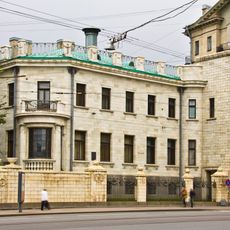
Mansion of Kschessinska
73 m
Military Historical Museum of Artillery, Engineers and Signal Corps
572 m
Alexander Park
239 m
Grand Ducal Burial Vault
623 m
Baltic House Festival Theatre
615 m
Petrovsky Gate in Peter & Paul Fortress
528 m
Palace Embankment
1.7 km
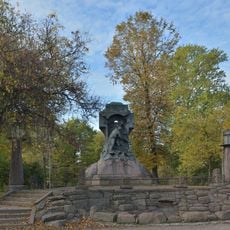
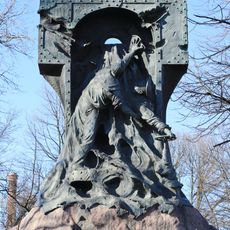
Steregushchy Torpedo Boat
175 m
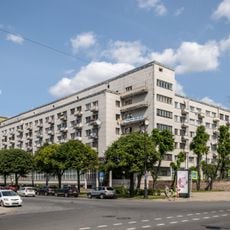
Former Political Convicts Residential House
436 m
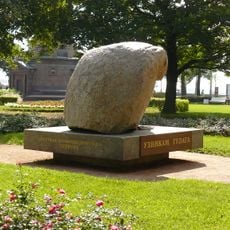
Solovetsky Stone in Saint Petersburg
341 m
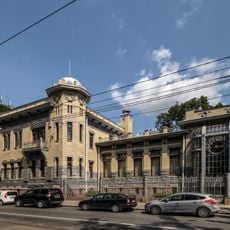
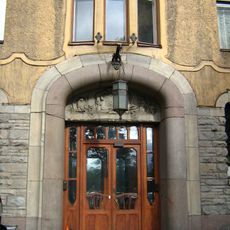
House of Lidval
240 m
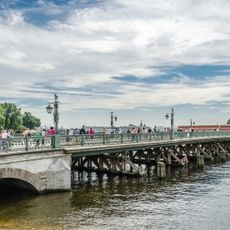
Ioannovsky Bridge
326 m
Pier with Chinese Lions "Chi Tza"
507 m
Monument at the place of Decembrists' execution
384 m
Ioannovsky Ravelin
471 m
Gosudarev Bastion (Peter & Paul Fortress)
602 m
Menshikov Bastion
439 m
Artillery Island
567 m
Ioannovsky Gate in Peter & Paul Fortress
445 m
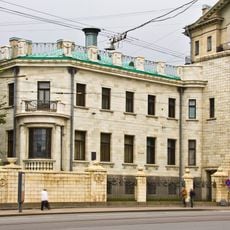
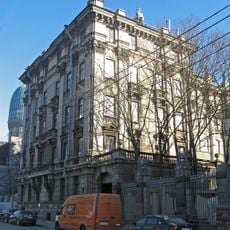
Mansion of merchant Vassily Emanuilovich Brandt
105 m
Baltisky Dom Theatre building
615 m
Kronverkski Prospekt, 5
58 m
Kronverk
601 m
House of G.A. Schulze
315 m
Pedagogical Institute for Women (Saint Petersburg)
286 m
East Artillerian Bridge
378 mReviews
Visited this place? Tap the stars to rate it and share your experience / photos with the community! Try now! You can cancel it anytime.
Discover hidden gems everywhere you go!
From secret cafés to breathtaking viewpoints, skip the crowded tourist spots and find places that match your style. Our app makes it easy with voice search, smart filtering, route optimization, and insider tips from travelers worldwide. Download now for the complete mobile experience.
A unique approach to discovering new places❞
— Le Figaro
All the places worth exploring❞
— France Info
A tailor-made excursion in just a few clicks❞
— 20 Minutes