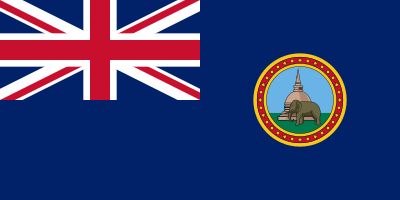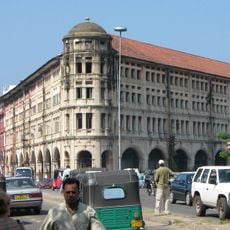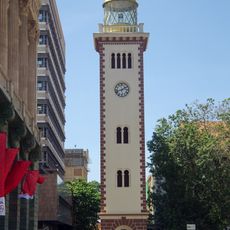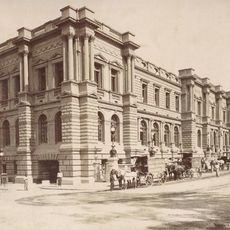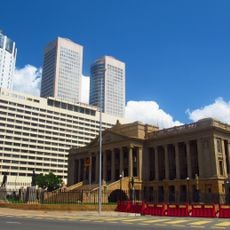
British Ceylon, British crown colony in South Asia.
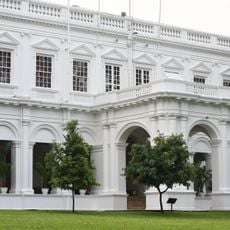
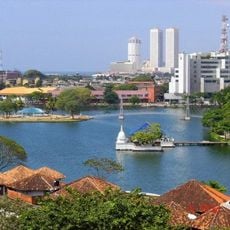
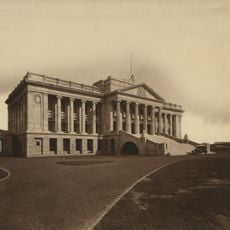
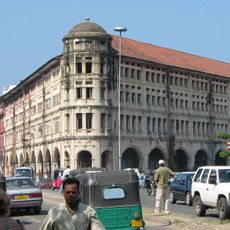
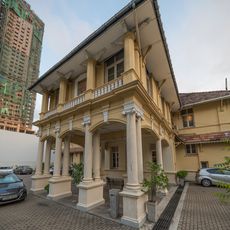
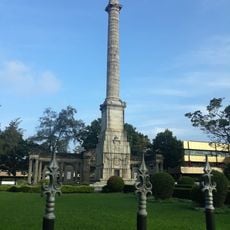
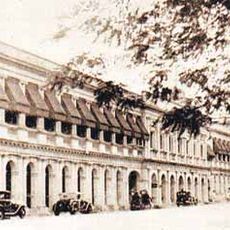
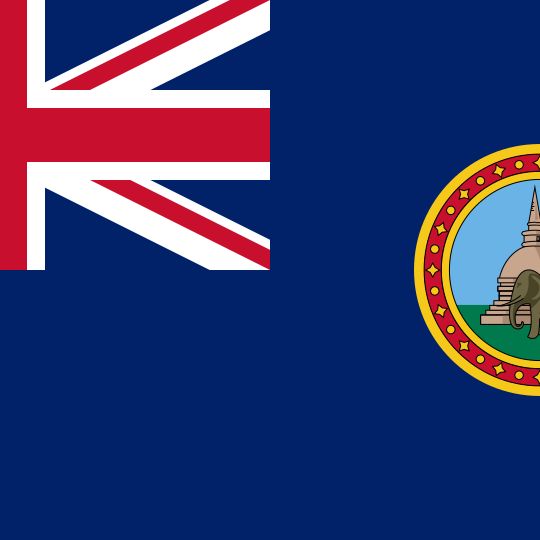
British Ceylon was a crown colony encompassing the entire island under British rule from 1796 to 1948. Colombo served as the administrative seat and economic center throughout this period.
The British took control from the Dutch East India Company in 1796 and established formal crown administration in 1802. The Kandyan Convention of 1815 brought the last independent region under British control while protecting Buddhist practices.
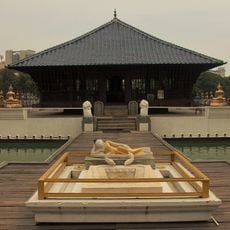
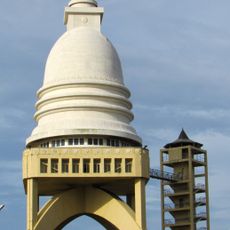
The colonial period introduced British governance alongside existing local customs and Buddhist religious traditions. These influences shaped society in ways that remain visible in the culture today.
The territory developed through plantation agriculture, particularly tea cultivation in highland regions. Visitors can still observe traces of this structure in the landscape and economy today.
The island became known for tea plantations that expanded rapidly during colonial rule and became the economic engine. This tea trade defined the economy for generations beyond the colonial period.
The community of curious travelers
AroundUs brings together thousands of curated places, local tips, and hidden gems, enriched daily by 91,682 contributors worldwide.