Newcastle upon Tyne, Metropolitan city in North East England
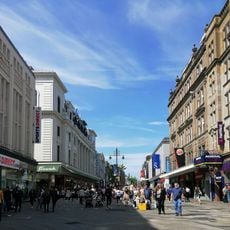
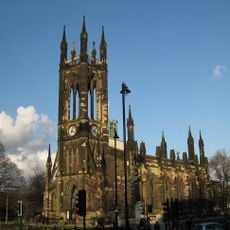
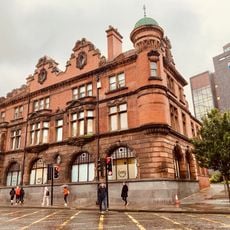
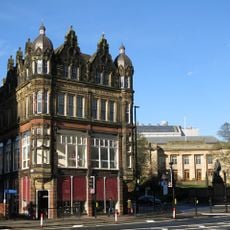
Newcastle upon Tyne is a large city on the north bank of the River Tyne in northeast England, marked by stone buildings, narrow medieval lanes, and a compact urban core along the waterfront. Seven bridges span the river to connect the center with Gateshead on the southern shore, while wide avenues and tight alleyways weave through the older neighborhoods inland.
The Romans built a fort called Pons Aelius in 122, and the Normans constructed a new castle in 1080 that gave the settlement its modern name. The 19th century brought rapid growth through coal mining, shipbuilding, and railway engineering, transforming it into an industrial center.
The Geordie dialect, heard in pubs along the Quayside and in shops throughout the city, reflects a strong local identity tied to shipbuilding and coal mining heritage. Football devotion fills the streets around St James' Park on match days, while the Bigg Market and surrounding lanes become crowded with people socializing late into the night.
The Metro connects the airport with the center and coastal towns through regular trains running from early morning until midnight, with most lines converging at Monument station. The compact center allows walking between many sights, while buses serve neighborhoods farther from the river and rail lines.
The Town Moor, a public grassland larger than Central Park in New York (about 405 hectares or 1,000 acres), still serves as grazing ground for cattle within the city limits. Local residents walk dogs and jog across the open grass, and the Hoppings, a traveling fair held every June, brings rides and stalls to this common land.
The community of curious travelers
AroundUs brings together thousands of curated places, local tips, and hidden gems, enriched daily by 90,978 contributors worldwide.